What Is Blood Pressure?
With each beat of the heart, blood is pumped out of the heart into the blood vessels, which carry blood throughout the body. Blood pressure is the measurement of the pressure or force inside your blood vessels (arteries) with each heartbeat.
High blood pressure, also called hypertension, means that pressure in the arteries is above the normal range.
How Is Blood Pressure Recorded?
Blood pressure is written as two numbers, such as 120/80 or 150/95, for example. The first number is the systolic pressure. Systolic pressure is the pressure in the arteries when the heart beats and fills the arteries with blood. The second number is the diastolic pressure. Diastolic pressure is the pressure in the arteries when the heart rests between beats.
What Is a Normal Blood Pressure Reading?
Type of Blood Pressure Reading
Ideal Blood Pressure
High Blood Pressure
Systolic
Less than 120
120-139
(prehypertension)
Over 140 (hypertension)
Over 150 (hypertension in
those over age 60)
Diastolic
Less than 80
80-89 (prehypertension)
Over 90 (hypertension)
Who Is at Risk for High Blood Pressure?
People with family members who have high blood pressure or a history of heart disease or diabetes.
African-Americans.
Women who are pregnant.
Women who take birth control pills.
People over age 60.
People who are overweight.
People who are not active.
People who drink a lot of alcohol.
People who eat too many fatty foods or foods with too much salt.
People who smoke.
What Can Happen if High Blood Pressure Is not Treated?
Untreated high blood pressure can result in
Stroke.
Heart failure.
An enlarged heart.
Heart attack.
Kidney disease.
Hemorrhages (bleeding) in the eye blood vessels.
Peripheral vascular disease: lack of blood circulation in the legs, cramp-like pain in the calves (claudication), or aneurysm (abnormal enlargement or bulging of an artery caused by damage to or weakness in the blood vessel wall)
How Is High Blood Pressure Treated?
The goal of therapy, if you have high blood pressure, is to lower blood pressure to less than 140/90 (less than 150/90 in those over age 60 without other health issues). To do this:
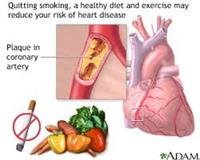
Eat healthy foods that are low in salt and fat.
Lose weight, if you are overweight.
Limit alcohol to no more than one drink (beer, wine, or whiskey) each day. (One drink is defined as a 5 oz. glass of wine, a 12 oz. can of beer, or a 1 ½ oz. portion of hard liquor.)
Exercise regularly.
Quit smoking.
Get treatment for sleep apnea if you have this condition.
Take high blood pressure medicine if your doctor prescribes it and follow directions carefully.
Have regular blood pressure checks and check your own blood pressure at home as recommended by your doctor.