
Many people think they have food allergies. But according to experts, only 5% of children and 4% of teens and adults really have an allergic reaction to certain foods.
If you think you have a food allergy, it’s important to find out. Food allergies can be dangerous. These strategies can help you know if you truly have a food allergy.
See a Doctor
It's better to see an allergist than to try to diagnose a food allergy yourself. Why?
You may be missing out. You may think you're allergic to a certain food when you're not. Cutting it from your diet can make you miss important nutrients.
You may misdiagnose. The doctor can figure out if you have a food intolerance -- meaning you can’t digest certain foods -- or if you are really allergic. The difference is important. Intolerances can be uncomfortable and challenging to live with. Allergies can be life-threatening. Whichever you have, the good news is your doctor can offer advice on how to feel better. It may take more than one test to accurately diagnose your allergy.
You could have a more severe reaction next time. Mild itching or tingling in your mouth could evolve into more serious symptoms. Your doctor can prescribe medications to treat symptoms. This may include an epinephrine shot (Auvi-Q or Epi-Pen), which can stop a life-threatening reaction. Always carry two shots with you if your doctor prescribes them. Do not hesitate to use the epinephrine auto-injector, even if your symptoms do not appear to be allergy related. Using the auto-injector as a precaution will not harm you
Your doctor will ask questions like
What foods did you eat before you had symptoms?
What symptoms did you have?
How soon did they come on and in what order?
How long did they last?
Have you had a reaction like this before?
Does anyone in your family have allergies?
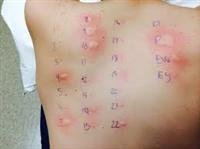
The doctor may also do a skin test to see if your body reacts to a tiny amount of the suspected allergen or allergy trigger.
Keep a Food Diary
This simple task can help you help your doctor figure out what is going on. For one or two weeks, write down in a notebook:
Everything you eat
Any symptoms you have
How long the symptoms happen after eating certain foods
Try an Elimination Diet
Let's say you had a reaction after eating prawns or shrimp with peanut sauce. You think the shellfish or peanuts caused it, but you don't know which. An exclusion or elimination diet can help pinpoint the problem food. It is important to do this under doctor supervision because a food allergy can be dangerous and even fatal.
With help from your doctor or a dietician
Don't eat the foods you think you’re allergic to for two to four weeks. If you don't have any more symptoms, you probably are allergic to one of those foods.
Gradually add a single food back into your diet. If your symptoms come back, you’ve found the culprit. If they don't, the food is OK for you to eat, and you can try another single food.
To eliminate a food from your diet
Read labels to make sure it isn't an ingredient in packaged foods you buy or eat.
Know restaurant items that are likely to contain your problem food. If the kitchen can't prepare the dish without it, don't order it.
Make sure that utensils, cooking surfaces, and oils used to prepare your food aren't also used to prepare the food you need to avoid.
You should have self-injectable epinephrine at all times to help counter an allergic reaction.
See a Dietitian
A registered dietitian can help you figure out where your problem food might be lurking. If you are eliminating a nutritious food like milk from your diet, your dietitian can also help you get important nutrients in other ways.