
Which Men Are at Risk for Colorectal Cancer?
Anyone with a colon can get colorectal cancer - a collective term that includes both colon cancer and rectal cancer. In the United States, it’s the second leading cause of cancer deaths in men and women. It's estimated that in 2015, 132,700 new cases will be diagnosed and that more than 49,700 people will die of this form of cancer. The lifetime chance of developing colorectal cancer is 1 in 20, with women facing a slightly lower risk than men.
The Centers for Disease Control recommends colorectal cancer screening beginning at age 50 for both women and men.
Overall, only about 6% of men in the U.S. develop colorectal cancer, but several factors increase your risk:
Age: Men younger than 40 almost never develop colorectal cancer. Over 90% of the cases are in men over 50.
Family History: If people in your immediate family or near relations had colorectal cancer at a young age, you should be screened earlier.
Previous Colorectal Cancer: If you've had cancer removed already, you're at higher risk to develop a new one.
Inflammatory Bowel Disease: If you have had a condition such as Crohn’s disease or ulcerative colitis for several years, your risk of colorectal cancer goes up.
Certain lifestyle factors appear to raise the risk of colorectal cancer. They include
Drinking more than two alcoholic drinks per day.
Obesity.
Smoking.
Diabetes.
A high-fat diet, with fat coming mostly from meat.
What Is Colorectal Cancer?
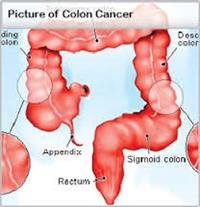
The colon is the large intestine and the rectum is the last six inches of intestine, connecting the colon to the anus. In the U.S., for both sexes, about 72% of cancer cases occur in the colon and 28% in the rectum.
Colorectal cancer usually develops slowly, beginning first as small growth called a polyp. Polyps may grow larger and eventually turn into cancer. The entire process of a polyp transforming into cancer usually takes several years.
After cancer develops, it grows into the wall of the colon and eventually metastasizes, or spreads. Most of the time, this process is preventable with proper screening.
Colorectal cancer symptoms include change in bowel habits (diarrhea or constipation), blood in the stool, black stools, abdominal pain, and weakness.
How Can I Prevent Colorectal Cancer?
The good news is that colorectal cancer is usually preventable. The number one way to prevent it is to get screened. Men and women should begin colorectal cancer screening at age 50. If you have colorectal cancer in your family or other risk factors, tell your doctor. You may need screening at a younger age.
Several screening methods are proven to reduce colorectal cancer rates
Colonoscopy: You've probably heard of this procedure, which entails the ion of a flexible tube into your anus, while you are under anesthesia. Your gastroenterologist (stomach doctor) can usually see and remove polyps or cancer before it spreads. If your colon is "clean," you probably won’t need another colonoscopy for 10 years.
Flexible Sigmoidoscopy: This scaled-down version of a colonoscopy is another reasonable option that looks at the lower colon and rectum.
Fecal Occult Blood Test: This involves you smearing stool on a paper card and bringing it to your doctor each year. Your gift is then checked for blood, because colorectal cancers often bleed. Blood in your stool usually earns you a colonoscopy, to look for cancer.
A 2006 study showed that men were more likely to develop polyps and cancer earlier than women. Therefore, early screening may be even more important for men's health.
Some of the other things men can do today to start lowering colorectal cancer risk are
Eating like a hunter-gatherer, not a caveman. Cut back on the red meat, like burgers and steaks. Instead, fill up on more than five servings of fruits and vegetables a day. These changes alone could reduce your risk by about 50%.
Getting off the couch. Active men get less colorectal cancer. The American Cancer Society recommends 30 minutes of activity five days a week.
Quitting smoking and limit drinking. Keep alcohol to one or two drinks a day.
What Are the Treatments for Colorectal Cancer?
The right colorectal cancer treatment is based on the degree of spreading, or stage
Cancer that is self-contained inside a polyp can often be cured with a colonoscopy. A snare on the end of the colonoscope cuts the entire cancer out.
If colorectal cancer has spread into the bowel wall, surgery is needed. Part or all of the colon is removed (hemicolectomy or colectomy).
Once the cancer has spread into the body, treatment becomes more complex. It will usually involve chemotherapy or other targeted colorectal cancer treatments. See http://www.webmd.com/colorectal-cancer/features/colorectal-cancer-new-treatments-improved-prognosis for treatment information.
As you can see, the treatments get more aggressive and invasive as the cancer spreads.
What Else Do I Need to Know about Colorectal Cancer?
The greatest tragedy about colorectal cancer is that so many deaths from it are preventable. Sure, the testing can be uncomfortable or embarrassing, but you’ll survive. On the other hand, you may not survive if you don’t get screened. You owe it to yourself -- and your family -- to take colorectal cancer seriously.