
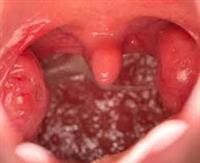
Tonsillitis is an infection of the tonsils that affects millions of individuals each year. Although uncomfortable and unpleasant, the condition is rarely a major health concern.
The following article explains the causes, diagnosis, and symptoms of tonsillitis. Treatment, both at home and by a doctor, will also be covered.
Contents of this article
What is tonsillitis?
Causes of tonsillitis
Symptoms of tonsillitis
Diagnosis of tonsillitis
Treatment of tonsillitis
Fast facts on tonsillitis
Here are some key points about tonsillitis. More detail and supporting information is in the main article.
Tonsillitis can be caused by a bacterial or viral infection
The vast majority of tonsillitis cases will clear of their own accord within 10 days
Tonsillitis can be diagnosed by examination of the throat and a bacterial swab
There is a multitude of infectious agents that can cause the illness
Tonsils are the body's first line of defense against external pathogens
What is tonsillitis?open mouth view of tonsils
The tonsils are the first line of defence of the human immune system.
Tonsils are situated at the back of the throat. They are collections of lymphoid tissue, which forms part of the immune system. In total, people have four sets of tonsils, but, usually, when they are referred to as "the tonsils," it means the palatine tonsils.
The palatine tonsils are the only tonsils that are visible under normal circumstances.
Tonsils are at their largest size around the time of puberty and, from that point on, they slowly atrophy (shrink). The tonsils are the body's first line of defense against inhaled bacteria, viruses, and other organisms that cause disease.
Specialized cells on the surface of the tonsils alert B cells and T cells in the immune system and they mount an immune defense. Tonsils also produce T cells.
The vast majority of people, whether given medication or not, will fully recover from tonsillitis within a matter of days. Most symptoms will resolve within 7-10 days.
Causes of tonsillitis
Because the tonsils are the first line of defense against invaders from the outside world, they are susceptible to infection themselves.
Tonsillitis is typically viral, but can sometimes be bacterial. If it is due to a bacterium belonging to the group A streptococcus, the condition is referred to as strep throat.
Whether viral or bacterial, tonsillitis can be contagious and spread from person to person. However, if the condition is caused by a secondary illness, such as sinusitis or hay fever, it is unlikely to be infectious.
Viral causes
Tonsillitis is most commonly caused by a viral infection. The most common types of virus to infect the tonsils are:
Adenovirus, which is associated with the common cold and sore throat.
Rhinovirus, which is the most common cause of the common cold.
Influenza, which is often referred to as flu.
Respiratory syncytial virus, which often causes acute respiratory tract infections.
Coronavirus, which has two subtypes that infect humans, one of which causes SARS.
Less commonly, viral tonsillitis can be caused by
Epstein-Barr virus
herpes simplex virus
cytomegalovirus
Bacterial causes
The most common type of bacteria to infect the tonsils is Streptococcus pyogenes. But, less often, it can be caused other species, including:
Staphylococcus aureus
Mycoplasma pneumonia
Chlamydia pneumonia
Bordetella pertussis
Fusobacterium sp.
Neisseria gonorrhoeae
Symptoms of tonsillitisdiagram of tonsils
Tonsillitis can be caused by either a viral or bacterial infection, and typically resolves within a couple of days.
The most common symptoms of tonsillitis include
sore throat and pain when swallowing
red and swollen tonsils with pus-filled spots
high temperature
headache
difficulty swallowing
pain in the ears and/or neck
tiredness
difficulty sleeping
coughing
chills
swollen lymph glands
Less common symptoms can include
fatigue
stomach pain and vomiting
nausea
furry tongue
changes in the sound of the voice
bad breath
difficulty opening the mouth
In some cases, tonsilloliths, also known as tonsil stones or tonsillar calculi, may be present. A tonsillolith is a calcified build-up of material in the crevices of the tonsils.
They are generally small, but in rare cases, tonsilloliths have measured 30 centimeters and above.
Tonsilloliths can be a nuisance and sometimes difficult to remove, but they are not generally harmful.
When to see a doctor
Although rare, tonsillitis can sometimes cause the throat to swell to such an extent that breathing becomes difficult. If this occurs, medical attention is necessary and urgent.
Additionally, if a person experiences any of the following symptoms, they should visit their doctor:
fever - over 103˚F
stiff neck
muscle weakness
sore throat that persists for longer than 2 days
Diagnosis of tonsillitis
In order to diagnose tonsillitis, a doctor will start with a general examination and will be looking for a swollen tonsil region, often with white spots.
Doctors may also inspect the exterior of the throat for signs of enlarged lymph glands and a rash that sometimes occurs.
The doctor may also take a swab of the infected area for closer inspection by a laboratory, to determine whether the cause of the infection is viral or bacterial.
Doctors may also carry out a complete blood cell count. This test involves taking a tiny amount of blood to investigate levels of certain types of blood cell. This bloodwork can help supplement the information taken from the swab. In some cases, if the swab is inconclusive, a complete blood cell count can help the doctor determine the best treatment.
Treatment of tonsillitis
The first line of tonsillitis care can be carried out at home.
Home carewater
Drinking plenty of fluids may reduce the risk of contracting tonsillitis.
These are the simplest tactics to reduce symptoms of tonsillitis at home
Resting enables the body to focus its energy on fighting the infection rather than using it on daily activities.
Drinking plenty of fluids will prevent the throat from drying out and becoming more uncomfortable. When the body is fighting an infection, it needs more hydration than normal. Warm, preferably caffeine-free drinks can also soothe.
Gargling with saltwater might help with discomfort.
Sucking throat lozenges may help and these are readily available over the counter.
Using air humidifiers or sitting in a steamy bathroom can alleviate the irritation caused by dry air.
Avoiding irritants, such as tobacco and smoky locations.
Taking medication, such as ibuprofen or acetaminophen, can help with pain and fever.
Antibiotics
If the tonsillitis is caused by a bacterial infection, a doctor will usually prescribe antibiotics. Antibiotics will not be prescribed for a viral case of tonsillitis.
Penicillin is the most commonly used antibiotic. People must take the full course of drugs, whether their symptoms are relieved or not. Failure to do so might allow the infection to spread, and has the potential to cause rheumatic fever or kidney inflammation in the long-term.
Surgery
Surgery used to be a relatively common approach to dealing with tonsillitis. Today, tonsillectomies are not used unless the condition is chronic and recurring. For instance, if a person experiences tonsillitis seven times within a single year or 3 episodes per year for 3 consecutive years, a doctor would probably consider surgery.
Although the tonsils are increasingly less active following puberty, they are still an active organ and, therefore, doctors will not remove them unless absolutely necessary.
A tonsillectomy might also be called upon if the tonsils are causing secondary issues such as:
sleep apnea, which involves problems breathing at night
difficulty breathing or swallowing
an abscess that is difficult to treat
tonsillar cellulitis, when the infection spreads to other areas and causes a buildup of pus behind the tonsils
If a tonsillectomy is required, there are a variety of methods that may be used. Lasers, radio waves, ultrasonic energy, coblation (cold temperatures), or electrocautery (a needle heated by electricity) have all been successfully used to remove the tonsils.
Increasingly, surgery has become the last port of call. The negative implications of surgery are thought to outweigh the positives associated with the removal of the tonsils.
In general, although distressing and uncomfortable at the time, for the vast majority of people, tonsillitis will pass without any serious long-term implications.