Osteosarcoma is the most common kind of bone cancer in children and teens. It can affect adults, too, but teenage boys are most likely to get it.
It happens when the cells that grow new bone form a cancerous tumor. The treatment for it -- chemotherapy and surgery to remove the tumor -- is usually successful when the disease is diagnosed early on, before it can spread.
Which Bones Are Affected?
Osteosarcoma often strikes in places where bones are growing. Your child could get it in or around the longer bones of his legs, like thighs, shins, or knees. Tumors could also form in his shoulders, pelvis, or jaw.
Bones in areas where tumors form will be weaker than others.
What Causes It?
The condition stems from an error in your child’s DNA, or genetic code. Bone-growing cells make osteosarcoma tumors by mistake.
Treatments like radiation therapy for other types of cancer, or cancer medicines called alkylating agents, can also make this disease more likely. Certain illnesses, like Paget’s disease of the bone or a type of eye cancer called hereditary retinoblastoma, may also raise the risk.
Children whose bones are growing quickly are more likely to get osteosarcoma. That means a child who’s unusually tall could have more of a risk.
What Are the Symptoms?
Warning signs include
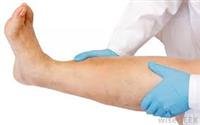
Swelling or lumps around bones or the ends of bones
Bone or joint pain, or soreness
Broken bones that don’t seem to be caused by normal reasons, like a fall
You child may have pain at night, or after he plays or exercises. He might get a limp if osteosarcoma affects his legs.
Tell your doctor about these symptoms right away. Your child may need to be tested to see if cancer is causing the pain, swelling, or breaks.
How Is It Diagnosed?
The doctor will ask you about your child’s medical history and your family health background. He’ll check your child’s body for unusual lumps around bones, or to figure out what’s causing the pain.
He may do imaging tests like X-rays, CT scans, or MRIs. These can show unusual changes in bones that may be signs of osteosarcoma.
If your doctor sees signs of the disease on imaging tests, your child may need a biopsy. A surgeon will take a small sample of bone or tissue from a painful or swollen area. This test may show cancer cells in the bone, or if cancer cells have spread to muscles or other areas around the bone.
Early Diagnosis Matters
Treatment works best when it's started before the cancer spreads beyond the bones to other tissues or organs.
Most tumors are found early because kids speak up about pain or parents notice swelling or a limp. So let the doctor know about warning signs like these as soon as possible.