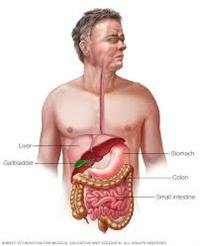
You know it when you feel it: that full, uncomfortable sensation in your belly during or after a meal. You might have burning or pain in the upper part of your stomach, too. It’s indigestion, also called dyspepsia.
Indigestion is often a sign of an underlying problem, such as gastroesophageal reflux disease (GERD), ulcers, or gallbladder disease, rather than a condition of its own. Any treatment you get will depend on what the cause is. But there are ways you can feel better or avoid getting it.
Symptoms
You might have
Bloating
Belching and gas
Nausea and vomiting
An acidic taste in your mouth
Fullness during or after a meal
Growling stomach
Burning in your stomach or upper belly
Belly pain
These symptoms might be worse when you’re stressed. If you swallow too much air when you eat, that can make belching and bloating worse.
People often have indigestion along with heartburn (a burning feeling deep in the chest), which happens when stomach acids rise into the esophagus.
Causes
Men and women of all ages can get indigestion. It’s a common condition. But certain things make some people more prone to it. Causes include:
Diseases
Ulcers
GERD
Stomach cancer. This is rare.
Gastroparesis, a condition where the stomach doesn't empty properly. It often happens to people with diabetes.
Stomach infections
Irritable bowel syndrome
Pancreatitis, an inflamed pancreas
Thyroid disease
Medications
Aspirin and many other pain relievers
Estrogen and birth control pills
Steroid medications
Some antibiotics
Thyroid medicines
Lifestyle
Eating too much, too fast, or when you’re stressed. High-fat foods can also add to the problem.
Drinking too much alcohol
Smoking
Stress and fatigue
Sometimes people have long-lasting indigestion that isn’t related to any of these things. This type is called functional or non-ulcer dyspepsia.
Many women have indigestion during the middle and later parts of pregnancy. The problem might come from hormones, which relax the muscles of the digestive tract, and from the pressure the growing baby puts on the stomach.
Getting a Diagnosis
Because indigestion is such a broad term, it’s helpful to give your doctor a precise idea of how you’re feeling. Be specific about where in your belly you usually feel pain or bloating.
First, your doctor will try to rule out other health conditions that could be causing your symptoms. She might do blood tests and X-rays of your stomach or small intestine. She might also use a thin, flexible tube with a light and a camera to look closely at the inside of your stomach, a procedure called an upper endoscopy.
Treatment
You might not need any treatment at all. Indigestion often goes away on its own after a few hours. But let your doctor know if your symptoms get worse.
Any treatment you get will depend on what’s causing your indigestion. You can also do some things on your own to ease your symptoms:
Try not to chew with your mouth open, talk while you chew, or eat too fast. This makes you swallow too much air, which can add to indigestion.
Drink beverages after rather than during meals.
Avoid late-night eating.
Try to relax after meals.
Avoid spicy foods.
If you smoke, quit.
Avoid alcohol.
If you don’t feel better after these changes, your doctor may prescribe medications for you.
How Can I Prevent Indigestion?
The best way to avoid getting it is to steer clear of the foods and situations that seem to cause it. You can keep a food diary to figure out what you eat that gives you trouble. Other ways to prevent the problem:
Eat small meals so your stomach doesn’t have to work as hard or as long.
Eat slowly.
Avoid foods with a lot of acid, such as citrus fruits and tomatoes.
Cut back on or avoid foods and drinks that have caffeine.
If stress is a trigger, learn new ways to manage it, such as relaxation and biofeedback techniques.
If you smoke, quit. Or at least, don’t light up right before or after you eat, since smoking can irritate your stomach.
Cut back on alcohol.
Avoid wearing tight-fitting clothes. They can put pressure on your stomach, which can make the food you’ve eaten move up into your esophagus.
Don't exercise with a full stomach. Do it before a meal or at least 1 hour after you eat.
Don't lie down right after you’ve eaten.
Wait at least 3 hours after your last meal of the day before you go to bed.
Raise the top of your bed so that your head and chest are higher than your feet. You can do this by placing 6-inch blocks under the top bedposts. Don't use piles of pillows to achieve the same goal. You’ll only put your head at an angle that can increase pressure on your stomach and make heartburn worse.
When Should I Call the Doctor?
Because indigestion can be a sign of a more serious health problem, let your doctor know if you have any of the following symptoms:
Vomiting or blood in your vomit. It may look like coffee grounds.
Weight loss you can’t explain
Loss of appetite
Stools that are bloody, black, or tarry
Severe pain in your upper-right belly
Pain in the upper- or lower-right parts of your belly
Feeling uncomfortable even if you haven’t eaten
A heart attack can cause symptoms that feel like indigestion. Get medical help right away if you have shortness of breath, sweating, or pain that spreads along your jaw, neck, or arm.