

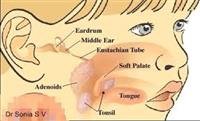
Parents know how common earaches are in children, but adults can get frequent ear pain, too. You don’t have to have an infection, or even anything wrong with your ears, to have ear pain.
These are the most common causes
Earwax
Your ear makes and gets rid of wax all the time. When the process doesn’t work well, the gunk builds up and hardens so your ear canal gets blocked. Your doctor will call this impacted wax. Sometimes, it causes pain.
Don’t use cotton swabs or other objects to try to get wax out. You''ll just push it farther into your ear canal and make it more likely to get impacted. Your ear might hurt, itch, discharge gunk, or get infected. You could even lose your hearing for a while.
You can treat mildly impacted ears at home with an over-the-counter kit. Or you might place a few s of baby oil or hydrogen peroxide in your ears to soften hardened wax. Better yet, go see your doctor. She can get the wax out without damage.
Air Pressure
Most of the time, your ear does a great job of keeping pressure equal on both sides of your eardrum. That little pop you feel when you swallow is part of the process. But quick changes, like when you’re on an airplane or in an elevator, can throw off the balance. Your ear miight hurt, and you could have trouble hearing.
To avoid problems on a plane
Chew gum, suck on hard candy, or yawn and swallow during takeoff and landing.
Stay awake while the plane descends.
Take a deep breath, pinch your nostrils shut, then gently try to blow air out of your nose.
Avoid air travel and diving when you have a cold, a sinus infection, or allergy symptoms.
Swimmer’s Ear
If your ear hurts when you pull on your earlobe or push on the tiny flap that closes it, you probably have this outer ear infection. You get it when water trapped in your ear canal begins to breed germs. You ear might get red, swollen, or itch and leak pus. It isn’t contagious. To avoid it, keep your ears dry during and after swimming. You doctor will probably prescribe antibiotic ear s to clear it up.
Middle Ear Infection
A cold, allergies, or a sinus infection can block the tubes in your middle ear. When fluid builds up and gets infected, your doctor will call it otitis media. This is the most common cause of ear pain. She might prescribe antibiotics and perhaps medicine to treat your cold or allergy symptoms, too. Let her know if your pain doesn’t improve or returns. If it isn’t treated, a middle ear infection can spread or cause hearing loss.
Other Causes
You may feel pain in your ears even when the source is somewhere else in your body, like a toothache. That’s because the nerves in your face and neck are closely linked. Doctors call this type of pain that starts in one area but is felt in another “referred pain.”
If your earache comes with a severe sore throat, it could be an infection like tonsillitis or pharyngitis. In fact, ear pain is often be the worst symptom of one of these conditions.
Tooth abscesses, cavities, and impacted molars also can cause ear pain. Your doctor will be able to tell if your teeth are to blame by tapping on a tooth or your gums to see if they feel sore.
The temporomandibular joint, or TMJ, is the “hinge” of your jaw that sits directly below your ears. You might get TMJ pain from grinding your teeth, or it could be a symptom of arthritis. The ache in your ears or face comes after you chew, talk, or yawn. To treat it, take over-the-counter pain medicine and put warm compresses on your jaw. Try not to clench your teeth. Use a mouth guard when you sleep. This can help ease the tension that causes ear pain. Eating soft foods will help, too.
Some causes of ear pain may be serious (tumors) and others less so (cellulitis, a common skin infection you could get from a piercing). If your ear pain is severe, doesn’t go away within a few days of home treatment, or comes with a high fever or sore throat, visit your doctor right away for treatment and to rule out something more serious.


