
to treat "wrinkles"
The "Al-Ramadan Health" program, run by the National Center for Information and Health Promotion of the Ministry of Health during the blessed month of Ramadan, continues to host senior doctors and consultants by phone 8002494444, where Dr. Nael Hatata, a consultant dermatologist at King Salman Hospital. And Dr. Nael Hatta, spoke about the methods of skin care during the fasting period, especially since the body loses many fluids with fasting, stressing a lot of drinking water and fluids, eating vegetables and fruits and moisturizing the skin with creams and ointments.
And he discussed, for reasons of skin allergy, which may be a localized sensitivity with skin contact when exposed to medications or food by mouth, as well as exposure to perfumes, odors, incense, etc., and it is diagnosed from history and allergy tests, and its treatment is using creams, moisturizers on the skin and oral treatments.
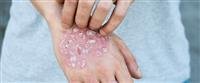
He explained, that the treatment of "eczema", which is a chronic skin allergy, depends on avoiding the etiology of contact or other substances and the use of topical cortisone for a few periods under medical care.
Hatata said that chemical or laser peels are one of the effective treatments for scar treatment and the effects of wounds. It removes superficial cells, the skin replaces them with young cells, and peeling stimulates the lower layers of the skin to produce more collagen and connective tissue What improves skin and skin texture.
Dr. Hatta showed ways to take care of the area around the eye, as it may develop fatigue through a lot of looking at the TV or computer, lack of sleep, and psychological and nervous fatigue, and that it must be continued care by using creams that contain fruit acids and vitamins that prevent oxidation, such as vitamin. E ”and“ C ”. For the treatment of wrinkles, it is recommended to use Botox injections and some modern types of fillers as they are fast and strong in effect.
He warned him of infection with scabies, which is transmitted through contact with clothes, bed linen, and stressed methods of prevention, which rely heavily on personal hygiene, not to use the clothes or towels of others, and not to use beds and bedspreads only after ensuring that they are clean.