What is dental coating?
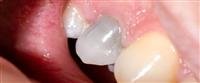
Dental paneling is a tooth-shaped "cap" that is placed on the tooth that was prepared by the dentist, to cover the tooth to restore its shape, size, strength and improve its appearance.
Dental crowns or veneers are an artificial tooth fixed in place, unlike removable dentures, veneers are fixed to either dental implants or natural teeth, a specialist or dentist is the only person who is able to remove it.
Simply put, dressing looks like normal teeth, and one of the main reasons why coatings are mostly used for aesthetic purposes.
Reasons for obtaining dental plating
Dental coating may be required in the following cases
To protect weak teeth, for example, to protect against decay and breakage.
To restore already broken teeth or teeth that have been removed or removed.
To obtain support for the stuffed teeth, especially in the absence of many remaining teeth.
To hold the dental bridge to restore the tooth structure after treatment.
To cover unnaturally deformed teeth, this is a cosmetic treatment.
When does a person need to install dental paneling?
There are many cases where coverings are necessary for adults, some of them are
Covered for implantation.
Protect weak or broken teeth.
Restoring dead or severely broken teeth.
Support and protect the tooth with filling.
Covering teeth of a different color or a strange shape.
When it comes to children, the dentist can decide whether or not to use the crown, and it is usually stainless steel.
The following are some of the reasons why a child may need to install dental paneling
To maintain damaged or rotten teeth.
Protect teeth that are at risk of tooth decay.
An native to some dental procedures that require anesthesia or surgery
Dental coating types
It can be made of different types of crowns of stainless steel, and can be made of metals and there are of them made of gold, porcelain, resin and ceramic, we will deal with each one separately as follows:
Stainless Steel: Stainless steel crowns are usually used on permanent teeth, and are usually temporary, these are often good options for children because they fall naturally as the child''s primary teeth grow.
Zirconia: Zirconia is a type of dental paneling that is very popular at the present time, and it is a crystal material that is free of metal, often only one piece implanted in the jawbone.
Minerals: Crowns made of minerals (gold, alloys, platinum) can withstand the high pressure of teeth, making them suitable for long-term chewing, but the main downside is the metallic and abnormal color.
Resin: resin is probably the most suitable type for dental coating, but one of the major drawbacks is that it wears off easily, making it more susceptible to cracks than other crowns.
Ceramics: ceramic dental paneling is one of the most popular types of paneling too.
Pain cover up
Even if the dentist puts a paneling in your mouth, this does not mean that the feeling of pain will disappear forever, it can be painful even after the surgical site to cover up the teeth completely, if you suffer from pain after covering, this is a problem that you should contact with your dentist as soon as possible Possible to solve.
Causes of dental paneling pain
Non-alignment of the tooth, especially if you suffer from gnashing of teeth.
Accumulation of bacteria, which occurs due to leakage in other fillings
Nerve damage, which results from pressure of the dresser on the nerve
If you feel pain, the first thing you should do is call a dentist and request an urgent appointment, to take action appropriate to your condition.
Dental care methods
It is clear that maintaining a good hygiene routine for your mouth and teeth is important, in order to reduce bacteria and prevent crown or dressing pain, this means that you will need to clean your flap, so we must treat the covering like our natural teeth completely.
But here are some more specific ways you can care for and maintain coverings
Do not eat sticky or very sticky foods because they can reduce clumping.
After you''ve got a permanent crown or any time you wear a temporary crown, try reducing use of - this side of your mouth. Do not try to chew or eat foods on the side where the cover is located.
Avoid solid foods, as they can also break down coverings.
When using the thread around a temporary paneling, move the thread between your teeth instead of pulling it up.
What is the period of work of dental paneling?
The length of work that the coating takes depends on several factors, including the following:
On the skill and knowledge of the dentist.
Post-patient care.
Corrosion of the crown.
Tile materials and components.
Patient health in general.
If the doctor is trained and highly skilled, the patient is in good health, and the dressing materials and components are good, the cover can continue for an appropriate period.
Dental coating problems
Unfortunately, getting dental paneling is not without risks, just like any surgical procedure, some postoperative problems may appear, which are sometimes out of your control and out of the dentist’s control, for example, some teeth respond inappropriately to vibration during The process or heat generated by the dental drill.
The following are some dental coating problems that some patients may be exposed to, including:
Allergy
Immediately after the operation, the veneer may become sensitive upon disposal of anesthesia, and this is the most common and common problem after the crown or veneer is installed.
If the nerve is still intact, the coating may be sensitive to hot or cold, which is why the dentist may recommend toothpaste specifically to treat this.
Pain when chewing
If you feel pain or discomfort when chewing or eating, it may mean that the crown is sitting at a high level of age, so if you have pain when biting, contact your dentist to make an appointment.
loose
With some types of crowns, it is not a good idea to use water, wash the crown or coverings frequently, as this can make the crown loose, allowing bacteria to leak and cause tooth decay.
If you are allergic to minerals, you may experience a reaction after getting the paneling, many crowns are made of multiple types of metals or porcelain, and this condition is rare.