
summer
With the increase in the temperature of the air, the body becomes more dry, and this affects health in an invisible way, along with our sense of thirst, and the kidneys are directly under this influence. Urinary tract stones are one of the most common diseases in hot regions and in the Kingdom in particular, where the incidence of stones formation reaches 2-3% in general, while the frequency of occurrence of stones ranges from 10% in the first year of treatment of the first attack to 50% in Within ten years of the same episode, and then this percentage will decrease after that. There are many questions for every patient with urinary tract stones that are appropriate to address here:
What is kidney stone?
The stone consists of salt crystals that separate from urine and collect on the inner wall of the kidneys or bladder.
Urine naturally contains substances that prevent the formation of these crystals, but these natural contraindications may not be present in some people and therefore stones are formed in them. In general, the stone is formed if three factors are available: saturation (increased concentration of salts in the urine), crystallization (i.e. sedimentation around each other), and finally dehydration (lack of fluid inside the kidney).
The most common types of stones contain calcium with phosphates or oxalates. These compositions are naturally present in every person''s daily diet and the most important parts of the human body such as bones and muscles.
What are the reasons for the emergence of kidney stone?
This question is an extension of the previous answer, but the main reason for the appearance of kidney stones is not known exactly, but there are some foods that help in the formation of stones in some people. It is also known that hereditary genes may affect some people. As a person with a family history of a kidney stone has a higher risk of developing a stone than others.
There are also some diseases that have a great relationship with the formation of kidney stones, such as frequent infections in the urinary tract and narrowing of the urethra, or the occurrence of any problems or defects in the kidneys such as vesicle diseases or metabolic dysfunction.
Diagnosis
There are types of stones that are static (silent), that is, they have no apparent symptoms and are detected only by radiation. These stones may pass unnoticed.
Kidney stones may also be detected by the x-ray of a person who has blood in the urine, pain in the waist, or frequent urinary infections.
Radiologists give a great opportunity for the doctor to examine the size, shape and location of the stone in the body. As for blood and urine tests, they help to discover any foreign substances that may help in the formation of a stone over time, such as an increase in salts or signs of inflammation. A urine examination also helps to see if the stone is soluble in medicine.
Symptoms of a kidney stone
The first symptoms of kidney stones begin with severe and sudden pain when the stone begins to move in the urethra channel, and therefore itching or blockage occurs in the channel, and the patient may feel severe pain and muscle strain on both sides of the kidney area or in the lower abdomen, and sometimes a state of vomiting and nausea may accompany For pain.
If the size of the stone is large and difficult to get out of the urethra, the pain increases dramatically as the muscles in the ureter wall squeeze these stones to try to get them out into the bladder, and when the stone grows or moves, the person may find blood in the urine.
When the stone is located in the lower ureter and near the bladder, the patient may feel an urgent and persistent need to urinate, and also feel severe burning during urination. .
The patient should refer to the specialist doctor as soon as any of the previous symptoms appear or if similar cases occur in the family he is from, and the earlier the diagnosis, the wider the course of treatment.
Treatment of kidney stones
Most stones in the kidneys can be treated without any surgeries. Most stones can be excreted from the urinary system by drinking a large amount of water daily (about 2.5 to 3.5 liters) and a two-day rest for the patient while taking some drugs that the doctor may prescribe.
protection
If a person has had more than one kidney stone before, then he is more likely than others to have another infection, so prevention and avoiding the formation of a stone again is very important in the treatment process.
The attending physician inquires about the patient''s medical history and eating habits, as well as blood and urine tests in the laboratory.
In the event of a stone gallbladder, the doctor checks it to determine its components, and the doctor may ask the patient to collect urine for 24 hours and study it after the stone has gone out This is to measure the level of acidity in the urine and know the concentrations of salts and natural substances that prevent or form stones.
Lifestyle change
The best and most important change in lifestyle the patient must make is to drink a large amount of fluids daily, especially water, for a person who is treated and get rid of a stone in the kidney, he must drink a large amount of fluids daily which makes him release about 2.5 liters of urine every 24 hour.
Based on the analysis of the stone and the study of the urine sample collected for 24 hours, the doctor may advise to reduce or avoid certain types of foods and drinks, while prescribing some preventive medications that reduce the concentration of salts in the urine.
Surgical treatment
There are some types of surgeries that may be required to remove a kidney, ureter or bladder stone. One of the most important reasons for surgical intervention is the following: If we cannot dissolve this stone or remove it naturally using the aforementioned methods over time, and also if it causes severe pain, or If the size of this stone is large and cannot be excreted from the urethra, or if the stone is accompanied by some negative developments such as bleeding, nephritis, or obstruction of the urethra, then surgical intervention is required.
Types of surgeries
The stone removal process was recently considered a very painful and requires a long recovery period from 4 to 6 weeks, but now this process has become very advanced, and there are many methods that can be done without the need for major surgery:
1 - The process of breaking up a stone from outside the body (shock waves): This method is the most common way to treat kidney stones.
There are different devices for lithotomy, and they are used in different ways as well, and most of these devices are equipped with X-rays or ultrasound, to help the surgeon locate the stone during treatment. This process is easily performed under local anesthesia, and the patient can be discharged from the hospital on the same day and restore normal activity in a short time.
2 - The process of splitting the kidney through the skin and exposing the endoscopic stone: When the size of the stone is large to a large degree and the doctor cannot remove it by the process of fragmentation, it is preferable to use this method to get rid of the kidney stone, the doctor makes a small opening in the back and makes a way from the back To the kidneys directly using a special machine and remove the stone.
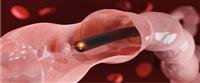
3- Endoscopic removal of stones: This method is mostly used to treat ureteral stones. Although ureteral stones can be treated with shock waves, the endoscopy method is more effective in lower stones in the ureter or those stones that do not respond to collision therapy. In this method, the doctor does not need to make an incision or opening as is the case in the previous method of the college, and here the doctor s the ureteroscope through the urethra and bladder until it reaches the ureter, then the surgeon locates the stone and removes it completely or breaks it into small parts using Special machines vibrations to break up a stone, the most famous of which is the laser device.
4 - Traditional surgery: In rare cases, recourse is used to traditional surgery, as in the case of crossed stones inside the college and its cups, but with the development of surgical treatment methods, resorting to opening a kidney, bladder or ureter to remove a stone from it becomes very rare.
Drug therapy
Where the patient is given expanded medications for the urinary tract, diuretics, antibiotics and analgesics that relieve these pain, and there are some medicines that dissolve the stones and of course, such medications should be taken according to the doctor’s instructions, and the remaining urine stones are usually expelled after fragmentation.
In conclusion, prevention remains better than treatment, and in the case of urinary tract stones, I offer you followers of the medical page the following important advice to reduce the chances of their formation:
1 - Drink more water, especially during high temperatures, and you must drink at least 2 liters of fluids, which is equivalent to eight cups with a volume of 250 ml.
2 - Refrain from drinking tap water except after using a general filter inside the house or boiling the water of the faucets to a point that does not reach boiling and then leave until the deposits are deposited under the container and pour the water gently to keep the deposits of deposits and then drink the water and leave the salts.
3- Refrain from drinking soft drinks and grapefruit juice, reduce coffee and tea, and try to drink more lemon juice and orange.
4 - Reducing the intake of calcium-containing foods in the event of calcium stones such as milk, butter derivatives, cheese, egg whites and fresh tomatoes, while in the case of uric acid stones it is prevented by abstaining or reducing meat, especially red, such as sheep, cows and camels, and it is preferable to replace them with white meat such as fish or chicken because it contains Low in uric acid.
5 - The doctor may advise to reduce salt intake in case of calcium stones, and calcium stones are formed due to the presence of a high percentage of sodium, which leaves you with more calcium in the urine, which exposes you to more pebbles. Foods that contain a high percentage of oxalates, such as peanuts, tea, instant coffee, chocolate, red berries, strawberries, carrots, beans, french fries, sweet potatoes, and dark leafy vegetables such as spinach and celery, should be avoided.
6 - Focusing on the use of parsley, as the parsley plant is among the generating plants that prevent the formation of kidney stones. Studies have shown that making a tea of parsley with a teaspoon of dry roots for a cup of water that has been boiled and drunk two to three times a day is beneficial for stone patients. Urinary.