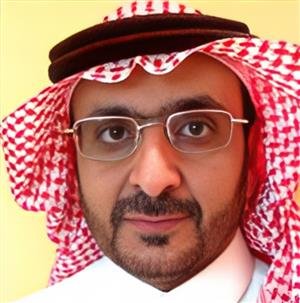

Dr. Muhammad Al-Hamrani, Dean of the College of Medicine at King Khalid University, Professor of Internal Medicine, Subspecialty (Nephrology), and Consultant of Nephrology at Aseer Central Hospital, confirmed for (today) that there is no fear for a kidney patient from fasting if he maintains fluid levels in his body, and drank. Al-Hamrani, kidney function, diseases that may afflict them - God willing - and problems that a kidney patient may face when fasting, in addition to advice for kidney patients, through his next speech (today).
In the beginning, we asked Dr. Alhamrani for the basic functions of the kidneys? He said: The kidneys have many important and important functions, and without this active organ, a person cannot live - God willing - and the kidneys perform important functions, including maintaining the proportion of fluids in the human body and distributing them among the cells and tissues of the body through renal filtration and absorption of fluids from very fine tubes in the unit of the kidney and about The path of some important hormones and the disposal of impurities and toxins that result from vital processes inside cells such as urea and acids and balance acids inside the body and the absorption and secretion of what the body needs from important salts such as sodium and potassium and the secretion of a vital hormone important for making red blood cells, which is the hormone Alethropoietin and regulating blood pressure.
Regarding diseases that affect the kidneys, Dr. Muhammad Al-Hamrani said: There are many diseases that humans are exposed to and that affect the kidneys. As for an acute and temporary disease, it often disappears with the disappearance of the cause, especially if it is discovered early and treated correctly. There are other diseases that afflict the kidneys with chronic diseases that may be treated and may remain with the patient and lead to chronic kidney failure, including:
Diabetes and inflammatory granulomatous diseases, which are among the most important causes of chronic diseases, frequent bacterial infections of the kidney pelvis, inflammations and rheumatic diseases such as SLE, high blood pressure, and ureteral obstruction due to the formation of stones, hereditary diseases, and birth defects.
On the health problems that a kidney patient may encounter during his fasting, Dr. Al-Hamrani said that the diseases that affect the kidneys differ from each other, and the patients also differ. Therefore, the health problems that patients are exposed to differ from one patient to another as much as the disease affects the kidney function, but one of the most important problems that the patient is exposed to is the great shortage in the percentage of fluids that patients drink and this shortage Especially in patients who work under the sun or in a hot climate, they may lose some fluids that are important for nourishing the kidneys. Also, some patients are in urgent need of important medicines that relieve high blood pressure and not taking medicines on time or ignoring some doses under the pretext of fasting. Severe high blood pressure, and there are also some foods that contain high-content ingredients and salts, and consuming them in large quantities may lead to health problems, the most important of which is with potassium, which is found in high rates in dates and fruits.
And in response to a question (today) about his advice to a kidney patient and the possibility of his fasting this holy month.
Dr. Muhammad Al-Hamrani confirmed that fasting or not is decided by the treating physician, and patients are really not equal in one health condition. There are patients who can fast, but under medical supervision without obstacles, and there are patients in which fasting is harmful to health, and these patients are better for them not to fast, so the opinion of the treating doctor It is very important and following his instructions is the only way - God willing - to avoid sudden health symptoms when fasting.
As for the advice that the patient needs when fasting, they are as follows
First: The patient must visit the attending physician before starting the fast to know his general health condition, such as blood pressure control due to fluids in the body, and knowledge of the kidney function and the proportion of salts in the body such as potassium, calcium and phosphate.
Second: Follow a diet determined by the specialist doctor in cooperation with a nutritionist with the need to reduce foods that contain a high proportion of proteins such as meat, cheese and their derivatives, also to reduce the intake of dates and fruits, taking into account taking medicines in specific doses and at disciplined dates, especially medicines that inhibit high blood pressure And reviewing the doctor in the event of exposure to any sudden health symptoms and beware of taking medicines without consulting the treating doctor.
We asked him: Who are the patients who are treated by hemodialysis (hemodialysis), and the extent of their fasting?
He said: In fact, these patients have a very special situation because they are treated periodically and permanently, and without hemodialysis or peritoneal dialysis, the patient experiences serious complications such as fluid accumulation, congestion of the lungs, an increase in salt content, especially potassium, blood pressure disorders, general weakness, severe fatigue, loss of appetite, weight loss and symptoms. Therefore, it is very important not to make any diversion in the treatment program, but if the patient fasts, advise him to do the following:
Not fasting during the days during which hemodialysis is done and fasting on other days, with the need to follow a diet program by the specialist doctor and determine the percentage of fluids as much as it is excreted through urination, and this is also determined by the specialist doctor. The patient does not stop taking medicines, whatever the reason, except by the order of the treating physician, Stay away from physical fatigue.
As for patients who have had kidney transplantation and fasting, Dr. said. Alhamrani, who is supposed to be in the college, if it is working well, and there is no rejection of the implanted element or any other health problems. The transplanted kidney is supposed to perform an integrated function, and the patient lives a completely similar life to healthy people, but these patients need careful follow-up and special care so that the patient is not exposed to any sudden symptoms. God forbid, and stressed the importance of following the advice of the treating doctor and taking medicines on time.
At the end of his speech (today), Dr. Muhammad Al-Hamrani for everyone there is continued health and wellness, and everyone accepts fasting and praying.