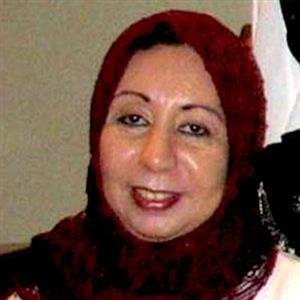
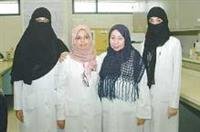
A team that investigated diabetes during three years In the first experiment of its kind, a Saudi scientific team at the Medical Research Center at King Abdulaziz University began implementing a scientific research that measures the prevalence of diabetes in Jeddah using the most recent biochemical methods .. The study is expected to last for about three years. The scientific team is headed by Professor Dr. Suhad Bahajri, Professor of Biochemistry, with the participation of Prof. Dr. Waad Akbar, Vice Dean of the College of Medicine, Dr. Tawfiq Ghubra, Vice Dean of the College of Medicine, and Dr. Iman Al-Issa, Assistant Professor in the Department of Biochemistry. A number of students of the College of Medicine are also participating in the research: Bashayer Al-Buqami, Alaa Al-Harithi, Alaa Al-Amoudi, Buthaina Khoja, and Dr. Al-Sabban, Mona Al-Youssef, Hind Faisal, Sherine Shani Shiro.
According to Dr. Suhad, head of the scientific team, the study is divided into two phases, each of which takes one academic year. The aim of the first stage is to estimate the prevalence of insulin resistance disease among a sample representing residents of the Jeddah region, using the most recent biochemical methods that represent the extent of insulin resistance in the liver and other tissues.
To complete this, blood samples will be collected while fasting from (200) people between the ages of 18 and 50 years, excluding everyone suffering from diabetes, high blood pressure, endocrine disorders, congestive heart disease, or high blood lipids.
Glucose, various fats, free fatty acids and insulin are measured in all samples, and height, weight and body mass index will be measured, using the values of glucose, insulin and fatty acids to determine those with insulin resistance, and then the extent of the disease will be calculated.
The goal in the second phase is to investigate the various factors associated with insulin resistance, which requires gathering information related to the social and economic situation, and the medical history. The goal in the second phase is to investigate the various factors associated with insulin resistance, and this requires gathering information related to the social and economic situation, and family medical history, And habits related to lifestyle, physical measurements, as well as nutritional information, from all individuals who were diagnosed with the disease in the first stage and a group of similar age and sex in the healthy population. Chromium will also be measured in blood and urine. In conclusion, the information is treated statistically to find links between the various indicators.