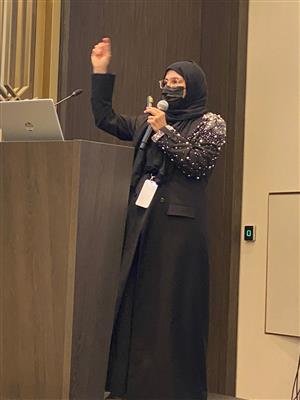
The Saudi researcher and consultant in preventive medicine and public health in Jeddah, Dr. Rajaa Al-Raddadi, blew a scientific surprise when she announced in a recent lecture entitled (The National Program for Cancer Control: The Gap between Planning and Implementation), that about 40% of cancer deaths in the Kingdom can be avoided. Risk factors Al-Radadi stated that despite the evidence of the effectiveness of preventive services in place in the Kingdom against cancer, the actual implementation of disease prevention programs remains low compared to similar programs and services at the global level. Emphasizing that more emphasis should be placed on preventing tumors in the context of other preventive programs, as the risk factors for cancer - such as smoking, unhealthy diet, physical inactivity and obesity - are risks for other chronic diseases. In her lecture, the researcher explained that fighting cancer describes activities and interventions that aim to reduce the burden on states and societies of the disease by reducing its occurrence, as well as reducing deaths that occur due to disease and also alleviating the suffering of patients.
In her lecture, the researcher Rajaa Al-Radadi indicated that discussing the current situation compared to the one to be implemented and activated by cancer prevention services in primary health care centers in Jeddah will inevitably lead to the development of the current status of health services in the centers and thus achieve success in finding appropriate positive solutions and reducing as well The risk of cancer spreading without incurring significant financial costs.
Preventive interventions
Al-Raddadi indicated that 8 risk factors have been identified in this aspect during the research that they have undertaken and they have been identified in dietary factors, physical inactivity, smoking, and obesity. The researcher revealed that during her research she found some programs actually applied in health centers in Jeddah, which were covered by the research, and among the programs are vaccination against hepatitis B, which represents 12.5% of these services, and the anti-smoking program, which is a program partially implemented through 6 clinics to combat smoking and are present in 13 % Of total health centers in Jeddah.
Al-Raddadi recommends the implementation of preventive services by integrating the control program with risk factors in the health strategy, provided that monitoring and following up on the results of preventive interventions is an integral part of the implementation process.