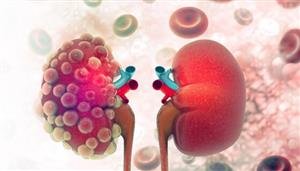
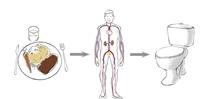
The kidneys are two vital organs in the body, as they keep blood clean and chemically balanced. Healthy kidneys clean the blood by filtering excess water and waste products. It also produces hormones that maintain strong bones and healthy blood.
Kidney failure
If kidney damage occurs, patients either lose the ability to urinate or have much less urine while waste production continues. These waste products and water accumulate in the bloodstream. This condition is called uremia (appearance of urine in the blood). Hands and feet may swell, and you may have shortness of breath. High blood pressure may occur and the body does not produce enough red blood cells. You may also experience fatigue, nausea, and loss of appetite. Untreated, anemia may lead to cramps or coma, eventually leading to death.
When kidney function reaches 15% of the original capacity or less, this condition is called "renal failure." Dialysis and a kidney transplant may be the only ways to replace lost kidney function.
Renal function replacement
The prospect of dialysis for patients newly diagnosed with kidney failure is a frightening experience. In order to overcome the anxiety associated with dialysis, it is important to prepare yourself well in advance of the treatment, to ensure that you are always physically, mentally and emotionally prepared for this lifelong treatment.
Most likely, planning for this began long before you undergo this treatment to prepare you for this new stage of life. The medical team will discuss options with you, and will help you make a decision that is in line with your personal and medical needs. Usually preparation for dialysis and transplantation begins at the same time.