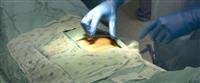

ways to prevent complications
Hernia is one of the health problems that many people may be exposed to, and in many cases it requires surgical intervention, and this condition occurs when the intestine or any other internal organ in the body is pushed through a weak point in the muscles or tissues, because a complex hernia is large in size. Managing it is a little more difficult than simple hernias, complex hernias must be treated quickly because they have a high risk of complications.
According to a time now news report, in many cases, a hernia develops after surgery. A detailed statistical analysis revealed that the recurrence rate is about 20%. If certain precautions are taken after surgery, the possibility of a hernia recurrence can be reduced.
All you need to know about complex hernias
Large hernias and many affected muscles are called complex hernias. The hernia becomes complicated when repeated surgical attempts to close the abdominal wall fail. In this type of hernia, the muscles become weak and cannot hold the intestine. So some modification is required, for this purpose the abdominal wall reconstruction was performed. Like the plastic surgery to rebuild the abdominal wall, this surgery improves the patient''s muscle function.
Complicated hernia is more complex to treat it comes with higher complications and recurrence rate and it is not easy to manage because it is larger than 10 cm in any dimension For most complex hernia cases, the recurrence rate is 10 to 20%, depending on the nature of the hernia and other factors Immediate action must be taken When a hernia is bothering you.
Recurrent hernia
The biggest fear of hernia repair surgery is that the hernia will come back after treatment, if the hernia appears again, this is referred to as a recurrent hernia that usually appears near or at the site of the previous repair, if the hernia progresses and the intestine protrudes into the hernia, it could cause serious health complications Incisional hernia is likely to return.
All three surgeries, traditional open surgery, laparoscopic surgery and robotic surgery can be used to treat recurrent hernia Laparoscopy is gaining popularity fast for recurrent hernia repair, already weak muscles are not disturbed Small holes can keep muscles more intact than a large incision in an open hernia repair procedure.
Several studies show that the chances of a hernia recurring are lower with laparoscopic techniques Robotic surgery is a more accurate way of doing the same and is preferred in complex and repetitive situations.
Causes of recurrence of hernia
There are several factors that can lead to a recurrence of a hernia after surgery, including how the tissue was closed during surgery, if the incisions were injured, not following post-operative recommendations, stay away from smoking immediately after surgery, as nicotine negatively affects the healing process, regular use of steroids, Chronic acute cough, being overweight or obese, excessive physical activity, genetic factors.
Women who have a hysterectomy or men who have abdominal surgery are at risk of developing recurrent hernias.
Tips to prevent hernia recurrence
Hernia surgery should be performed by an experienced surgeon.
Eat healthy and nutritious foods that include seasonal fruits and vegetables and whole grains.
Maintain your ideal body weight.
Avoid drinking and smoking.
Avoid lifting heavy objects or do so with care.
Take care of your digestive system to avoid constipation.
Consult a doctor when you have a persistent cough.
Do yoga and exercise for at least half an hour on a regular basis.
Ways to avoid hernia complications
The hernia will not go away on its own so surgery is the only way to effectively treat a hernia if the hernia is not treated in a timely manner, it may increase pressure on surrounding tissues, and in such cases, emergency surgery within hours of its occurrence is necessary to prevent tissue death