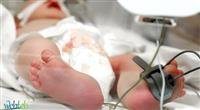
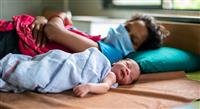
and newborns together during the COVID-19 pandemic
The World Health Organization has highlighted the dangers of separating newborns from their mothers, and new research shows that tens of thousands of lives could be saved if the baby and its mother stayed together soon after birth, touching each other. In many countries, if a case of COVID-19 is confirmed or suspected, newborns are routinely separated from the mother, putting them at risk of death and lifelong health complications.
Dr. said. Ancho Banerjee, Director of the Department of Maternal, Newborn, Child and Adolescent Health at the World Health Organization: "Disruptions to basic health services during the outbreak of the Covid-19 pandemic have severely affected the care provided to some of the most vulnerable children. This includes their right to the life-saving communication they need with their parents."
According to the organization, the risk is greatest in the poorest countries where the highest number of premature births and infant deaths occurs, and disruptions in the kangaroo-style mother''s care of her newborn - i.e. early skin-to-skin contact between the child and one of the parents, and exclusive breastfeeding - will exacerbate these risks.
Dr. added. Banerjee said: "Decades of progress in reducing child mortality will be jeopardized unless we act now to protect and improve high-quality maternal and newborn care services, and expand coverage of life-saving interventions such as kangaroo-style maternal care."
Caring for a mother the kangaroo way
The World Health Organization indicates that the lives of up to 125,000 children could be saved through full coverage of kangaroo care. This model of care is very important for babies born prematurely (before 37 weeks) or with low birth weight (less than 2.5 kilograms) as this model has shown that it reduces infant mortality by up to 40%, and reduces hypothermia by more. From 70%, and reduces severe inflammation by 65%.
“Kangaroo mother care is one of the most cost-effective ways to protect young and sick newborns. According to our analyzes, these risks greatly outweigh the small possibility,” says Quinn Duby, director of health at the Ministry of Health in Malawi who co-authored the report. For a newborn child to become very ill with Covid-19.
The World Health Organization recommends that mothers continue to stay in the same room with their babies from birth, and that they be able to breastfeed and touch their bodies - even if COVID-19 infection is suspected or confirmed.
Low risk for COVID-19
The study indicated that there were mainly no symptoms or mild illness from Covid-19 in newborns with the disease, with a lower risk of death in the newborn.
However, infection during pregnancy may increase the risk of premature labor, and this means that it is important to ensure appropriate care is provided to support premature babies and parents during the Covid-19 pandemic.