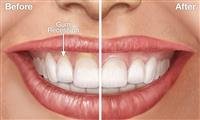

The answer is simply "no." If, for example, your gums have been damaged by periodontitis, which is the most severe form of gum disease, it is not possible for the receding gums to grow again. However, although receding gums is one of the stages of irreversible gum disease, there are treatments that can help stop the problem from getting worse.
How can I know that I have receding gums?
There are some signs you might discover that can tell you if you have gum problems, or receding gums. This occurs when the gums recede away from your teeth, leaving the root below them exposed and the first thing you may feel is an increased sensitivity of the teeth. You may also notice that your teeth appear longer, or that you feel tightness in the area where the gums meet the tooth.
Although you may see these signs, it is not always easy to tell if you have receding gums. The best thing you can do is to have regular check-ups with your dentist, who, as a professional, can identify and treat gum problems. This is especially important with receding gums because getting treatment as soon as possible is the best way to prevent it from getting worse.
What are the causes of receding gums?
There are many factors that can cause your gums to recede, and your dentist can tell you what is causing your gums to recede:
Brushing your teeth excessively - this can remove the enamel layer on your teeth and cause the gums to recede.
Poor oral health - if you do not keep your teeth clean through regular brushing and flossing, plaque may build up and turn into a solid deposit called tartar. If not removed, this may lead to gum disease and receding gums.
Squeezing or grinding your teeth - if this is severe, it can put pressure on the gums, which could lead to receding.
Smoking - If you smoke, you are more likely to develop receding gums.
Gingivitis - In severe gum disease, called periodontitis, the gums can recede away from the teeth and form gum pockets. These pockets may become infected, and when this occurs, it can damage the tissue and bone that hold the teeth in place, rendering them inconsistent and unstable. This could lead to tooth loss.
How can I stop receding gums?
If you want to know if you have receding gums or if you think you have receding gums, the first thing you need to do is book an appointment to see a dentist and get professional advice on how to stop receding gums.
There are many treatments for receding gums, including
Tartar removal and root scraping: In cases of gum recession, the dentist may suggest a tartar removal and root scraping procedure. It is a two-part procedure that your dentist performs. First, all of the hardened plaque and tartar above and below the gumline (where the gum meets the tooth) is removed. After that, your dentist scrapes the roots, where the roots of your teeth are smoothed to help the gums adhere to the teeth again. Your dentist may offer you a local anesthetic during the procedure and it may take more than one visit to complete.
After treatment, it is normal for your gums to be red, swollen, and painful and to have increased sensitivity. Your dentist may recommend an anti-microbial mouthwash treatment such as Parodontax Mouthwash 0.2% for a short time to help reduce bacteria and prevent infection.
Tartar removal and abrasion is often enough to fix the problem, but you will need to have regular checks to make sure your gums are improving and not getting worse. It is also important to maintain a good healthy oral health routine to protect your gums.
Gum surgery: For severe cases of receding gums, the dentist may recommend surgery for the gums. There are a few different types including:
Tartar removal and scraping by open curettage: If non-surgical treatment does not work, your dentist may recommend removal of tartar and scraping with open curettage, in which the affected gum tissue is folded again for better access to clean and smooth the roots. The gums are then comfortably repositioned, making it easier to keep them clean and healthy.
Regeneration: This is a surgical treatment that can help regenerate damaged bone and gum tissue. Your dentist will clean above and below the gums to remove bacteria and plaque. Next, a regenerative material - a membrane, tissue-promoting protein, or tissue graft - will be applied to encourage your body to naturally restore damaged bone and tissue. Then the gum is repositioned securely on the tooth root.
Gum grafts: If you lose gum tissue, the dentist may suggest a soft tissue procedure or gum graft. In this surgery, tissue from surrounding gums or the roof of the mouth is grafted and sutured with gum tissue to cover the exposed root of your teeth.
How can I help prevent receding gums
The best protection against receding gums is regular check-ups with your dentist and a good oral hygiene routine. Brushing your teeth for two minutes, twice daily with a fluoride toothpaste or a daily specialist gum health toothpaste like parodontax helps remove plaque bacteria to keep your gums and teeth healthy.