Overview
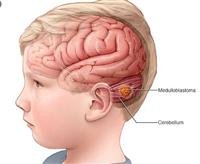
Pediatric brain tumors are masses or growths of abnormal cells that occur in a child''s brain or the tissue and structures that are near it. Many different types of pediatric brain tumors exist — some are noncancerous (benign) and some are cancerous (malignant).
Treatment and chance of recovery (prognosis) depend on the type of tumor, its location within the brain, whether it has spread, and your child''s age and general health. Because new treatments and technologies are continually being developed, several options may be available at different points in treatment.
Treatment for brain tumors in children is typically quite different from treatment for adult brain tumors, so it''s very important to enlist the expertise and experience of pediatric specialists in neurology and cancer.
Types
Choroid plexus carcinoma
Craniopharyngioma
Embryonal tumors
Ependymoma
Glioma
Medulloblastoma
Pineoblastoma
Symptoms
Signs and symptoms of a brain tumor in children vary greatly and depend on the brain tumor type, size, location and rate of growth. Some signs and symptoms may not be easy to detect because they''re similar to symptoms of other conditions.
Some of the more common symptoms of a brain tumor in children include
Headaches, which may become more frequent and more severe
Feeling of increased pressure in the head
Unexplained nausea or vomiting
Abrupt onset of vision problems, such double vision
Other possible signs and symptoms, depending on the tumor location, include
A fuller soft spot (fontanel) on the skull in babies
Seizures, especially when there''s no history of seizures
Abnormal eye movement
Slurred speech
Trouble swallowing
Loss of appetite or in babies, difficulty feeding
Difficulty with balance
Trouble walking
Weakness or loss of sensation in an arm or a leg
Weakness or drooping on one side on the face
Confusion, irritability
Memory problems
Personality or behavior changes
Hearing problems
When to see a doctor
Make an appointment with your child''s doctor if your child has signs and symptoms that concern you.
Causes
In most cases, the exact cause of a pediatric brain tumor is not known.
Pediatric brain tumors typically are primary brain tumors — tumors that start in the brain or in tissues close to it. Primary brain tumors begin when normal cells have errors (mutations) in their DNA. These mutations allow cells to grow and divide at increased rates and to continue living when healthy cells would die. The result is a mass of abnormal cells, which forms a tumor.
Many different types of brain tumors — which may or may not be cancerous — can occur in children.
Risk factors
In most children with primary brain tumors, the cause of the tumor isn''t clear. But certain types of brain tumors, such as medulloblastoma or ependymoma, are more common in children. Though uncommon, a family history of brain tumors or a family history of genetic syndromes may increase the risk of brain tumors in some children.