Also known as Coronary Artery Disease, Coronary Microvascular Disease, Coronary Syndrome X, Ischemic Heart Disease, Nonobstructive Coronary Artery Disease, Obstructive Coronary Artery Disease
Heart disease is a catch-all phrase for a variety of conditions that affect the heart’s structure and function. Coronary heart disease is a type of heart disease that develops when the arteries of the heart cannot deliver enough oxygen-rich blood to the heart. It is the leading cause of death in the United States.
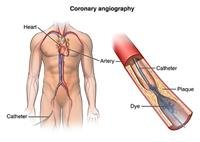
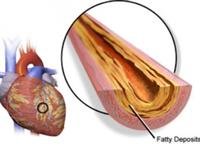
Coronary heart disease is often caused by the buildup of plaque, a waxy substance, inside the lining of larger coronary arteries. This buildup can partially or totally block blood flow in the large arteries of the heart. Some types of this condition may be caused by disease or injury affecting how the arteries work in the heart. Coronary microvascular disease is another type of coronary heart disease. It occurs when the heart’s tiny blood vessels do not work normally.
Symptoms of coronary heart disease may be different from person to person even if they have the same type of coronary heart disease. However, because many people have no symptoms, they do not know they have coronary heart disease until they have chest pain, a heart attack, or sudden cardiac arrest.
If you have coronary heart disease, your doctor will recommend heart-healthy lifestyle changes, medicines, surgery, or a combination of these approaches to treat your condition and prevent complications.
Explore this Health Topic to learn more about coronary heart disease, our role in research and clinical trials to improve health, and where to find more information.
Causes - Coronary Heart Disease
There are three main types of coronary heart disease: obstructive coronary artery disease, nonobstructive coronary artery disease, and coronary microvascular disease. Coronary artery disease affects the large arteries on the surface of the heart. Many people have both obstructive and nonobstructive forms of this disease. Coronary microvascular disease affects the tiny arteries in the heart muscle.
The cause depends on the type of coronary heart disease. The condition may also have more than one cause, including plaque buildup or problems that affect how the heart’s blood vessels work.
Risk Factors - Coronary Heart Disease
There are many risk factors for coronary heart disease. Your risk of coronary heart disease goes up with the number of risk factors you have and how serious they are. Some risk factors—such as high blood pressure and high blood cholesterol—can be changed through heart-healthy lifestyle changes. Other risk factors, such as sex, older age, family history and genetics, and race and ethnicity, cannot be changed.
Signs and symptoms
An acute coronary event, such as a heart attack, may cause the following symptoms
Angina, which can feel like pressure, squeezing, burning, or tightness during physical activity. The pain or discomfort usually starts behind the breastbone, but it can also occur in the arms, shoulders, jaw, throat, or back. The pain may feel like indigestion.Cold sweatsDizzinessLight-headednessNausea or a feeling of indigestionNeck painShortness of breath, especially with activitySleep disturbancesWeakness
Women are somewhat less likely than men to experience chest pain. Instead, they are more likely to experience:
DizzinessFatigueNauseaPressure or tightness in the chestStomach pain
Women are also more likely than men to have no symptoms of coronary heart disease.
Chronic (long-term) coronary heart disease can cause symptoms such as the following
AnginaShortness of breath with physical activityFatigueNeck pain
The symptoms may get worse as the buildup of plaque continues to narrow the coronary arteries. Chest pain or discomfort that does not go away or happens more often or while you are resting might be a sign of a heart attack. If you do not know whether your chest pain is angina or a heart attack, call 9-1-1 right away. All chest pain should be checked by a doctor.
Complications
Coronary heart disease can cause serious complications, including the following
Acute coronary syndrome, including angina or heart attackArrhythmiaHeart failureCardiogenic shockSudden cardiac arrest
Complications of coronary heart disease can be life-threatening and may lead to disability.
Diagnosis - Coronary Heart Disease
Your doctor will diagnose coronary heart disease based on your symptoms, your medical and family history, your risk factors, and the results from tests and procedures.
Because women and their doctors may not recognize coronary heart disease symptoms that are different from men’s, women may not be diagnosed and treated as quickly as men. It is important to seek care right away if you have symptoms of coronary heart disease.
Treatment - Coronary Heart Disease
Your treatment plan depends on how severe your disease is, the severity of your symptoms, and any other health conditions you may have. Possible treatments for coronary heart disease include heart-healthy lifestyle changes, medicines, or procedures such as coronary artery bypass grafting or percutaneous coronary intervention.
Your doctor will consider your 10-year risk calculation when deciding how best to treat your coronary heart disease.