Disease definition
Meningitis is an inflammation of the protective membranes that surround the brain and spinal cord (meninges). Swelling from inflammation causes symptoms such as headache, fever, and stiff neck. It can affect anyone, but is common in young people from birth to adulthood, as well as the elderly. .
Symptoms
At first, flu-like symptoms appear, and they get worse over several hours or days.
Symptoms that affect people over the age of two
A sudden rise in temperature.
Neck stiffness.
Severe headache with nausea and vomiting.
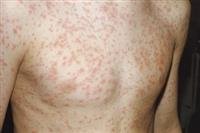
A rash appears.
cramps
Difficulty concentrating.
Fatigue and difficulty waking up.
Light sensitivity.
Symptoms that may appear in those under two years of age
High temperature.
Lethargy and unresponsiveness.
Swelling in the fontanel area of the head.
Stiffness in the body and neck of the child.
Refusal to breastfeed.
Irritability and refusal to get pregnant by others.
Crying in an abnormal tone.
cramps
Skin rash in some meningitis.
Bacterial meningitis is an emergency that requires immediate medical attention.
Complications
If meningitis is not treated promptly, it can cause serious blood poisoning, resulting in permanent damage to the brain and nerves. The most common complications are:
Death.
hearing loss.
Difficulty remembering and concentrating.
learning difficulties.
Problems with walking and balance.
Epileptic seizures.
Kidney problems.
Diagnosis
Medical history.
Clinical examination.
Laboratory tests: blood culture, cerebrospinal fluid test (lumbar puncture).
CT scan.
treatment
It is important to know the type of meningitis because treatment varies depending on the cause: