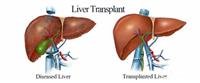
A liver transplant is a surgical procedure that removes a liver that no longer functions properly (liver failure) and replaces it with a healthy liver from a deceased donor or a portion of a healthy liver from a living donor.
The liver is your largest internal organ and performs many critical functions, including
Processing nutrients, drugs and hormones
Production of bile juice that helps the body absorb fats, cholesterol and fat-soluble vitamins
Production of proteins that help blood clot
Remove bacteria and toxins from the blood
Preventing infection and regulating immune responses
Liver transplantation is usually reserved as a treatment option for people with significant complications due to end-stage chronic liver disease. A liver transplant may also be a treatment option in rare cases of sudden failure of a previously healthy liver.
The number of people waiting for a liver transplant greatly exceeds the number of deceased donor livers available.
A living donor liver transplant is an native to waiting for a deceased donor liver to become available. A living donor liver can be transplanted because the human liver regenerates and returns to its normal size shortly after part of the organ is surgically removed.
In 2017, about 8,000 liver transplants were performed in the United States in both adults and children. Of these, about 360 live donor livers. Meanwhile, nearly 11,500 people were on the waiting list for a liver transplant.
Live donor liver transplant
If you''''re going to have a living donor liver transplant, the surgery will be scheduled in advance.
Surgeons will first begin by performing an operation for the donor to remove a portion of the liver for transplantation. Then surgeons will remove your diseased liver and replace the donated liver portion in your body. Surgeons then attach the new liver''''s blood vessels and bile ducts.
The part of the liver that was transplanted into your body and the part that was removed from the donor''''s body regenerated rapidly, reaching normal size within a few months.
After the procedure
After liver transplant
After a liver transplant, you can expect the following
You will likely remain in the intensive care unit for a few days. Doctors and nurses will monitor your condition for signs of complications. They will also test your liver function frequently for indications that your new liver is working.
Spend 5 to 10 days in the hospital. Once you''''re stable, you''''ll be moved to the transplant recovery area for further recovery.
Get frequent checkups while you continue to recover at home. Your transplant team sets up an examination schedule for you. You may have blood tests several times each week at first, then have fewer tests over time.
Take medications for the rest of your life. You''''ll take a number of medications after your liver transplant, many for the rest of your life. Medicines called immunosuppressants help prevent your immune system from attacking the new liver. Other medications help reduce the risk of further complications after the transplant.
Expect six months or more to recover before you feel fully recovered after liver transplant surgery. You may be able to resume normal activities or return to work a few months after surgery. The time it takes to recover may depend on how sick you were before your liver transplant.