Polycystic ovaries are accompanied by many symptoms such as excessive hair growth, obesity, acne, pregnancy problems, and others. Learn about them and the treatment methods as follows:
The ovaries secrete two types of hormones that affect the female reproductive system
Estrogen is the hormone responsible for
Proper development of sexual signs in teenage girls.
Maturity and normal physiological functions of the female reproductive system.
Progesterone: responsible with estrogen for the cyclical changes in the menstrual cycle in females. This includes:
Change in the covering of the egg follicle in preparation for its rupture and release of the egg during the ovulation stage.
Increasing the body temperature after ovulation in order to optimal conditions for the meeting of the egg and sperm.
But what happens in the case of polycystic ovaries?
What is the ovary?
The ovary is the gonda (the organ that produces sex cells) in females, and this is what you should know about it and about the eggs:
Most eggs are produced in the ovary before birth.
These eggs are kept in the ovary in their immature form until the fertile period.
In the fertile period, the eggs mature within the egg follicle within approximately 28 days until ovulation.
Ovulation usually occurs in only one egg per cycle, and the ovaries nate between each other to ovulate in each cycle (once on the right and once on the left).
In cases of ovarian insufficiency, due to ovarian disease or physical injury to one of the ovaries, a healthy ovary takes over the role of developing the follicle and ovulating each month.
polycystic ovaries
PCOS is a pathological syndrome that involves involvement of a number of different systems including:
Reproductive system.
Metabolic system.
The vascular system and the heart.
skin and hair.
Characteristic signs of PCOS
PCOS is one of the common problems among women of childbearing age, and a large percentage of women who carry one of the hallmarks of PCOS suffer from the same syndrome, such as:
Infertility due to ovulation problems.
obesity
hypertrichosis
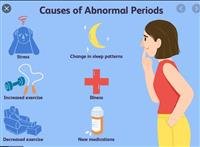
Menopause or oligomenorrhea.
There is still controversy about the exact definition of PCOS, as it has been recently acknowledged that irregular insulin secretion and absorption contributes to the mechanisms of damage to the organs involved in the occurrence of this phenomenon.
Polycystic ovary syndrome is often characterized by a genetic defect (not yet explained) at the familial level, due to its high incidence among women in the family (50% chance of its occurrence in the sister of a woman suffering from PCOS).
Polycystic ovaries symptoms
Symptoms of PCOS include the following signs (or some of them)
High levels of male hormones - androgens.
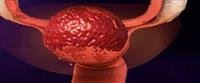
An ovary with a thick coating that contains many cysts (fluid-filled bodies).
Irregular periods and even menopause (Amenorrhea) - in about 90%, of whom about 70% have fertility problems.
High insulin resistance (signs of diabetes), accompanying metabolic problems - about 90%.
Obesity - about 40%.
Hypertrichosis of the face and body and thinning of head hair - about 50%.
Acne - about 40%.
Damage to the heart and blood vessels (blood vessel walls) as a result of high levels of triglycerides and low HDL (the “good” cholesterol).
Increased risk of not completing the pregnancy (if pregnancy occurs).
Polycystic ovaries treatment
The symptoms associated with polycystic ovaries are mainly treated in these ways
Eating a healthy diet, maintaining and losing weight can: Make your menstrual periods more normal, and can reduce hair growth and depression.
Doing exercise regularly and permanently, especially exercises that help pump blood to your heart, as well as lifting weights to keep your muscles strong.
Take medication to help relieve symptoms and achieve hormonal balance. This treatment may relieve symptoms and help prevent disease, as well as medication for acne.
Getting rid of excess hair, medical creams can be tried to get rid of excess hair, or removed by electrolytes or laser treatment.
Medicinal herbal treatment.
It''s important to have ongoing medical monitoring, to make sure that the treatment is right for you. Sometimes, routine checks for diabetes, hypertension and other possible diseases may be needed.
Herbal treatment for polycystic ovaries
Recently, many studies have been conducted in universities and health centers in China on a therapeutic basis that divides the menstrual cycle into four sections:
1. Stimulating follicle production
Immediately after menstruation (assuming that menstruation has occurred). In the case of polycystic ovaries, this stage is very short due to lower than normal levels of follicle-stimulating hormone (FSH).
This should be emphasized when receiving Chinese medicine treatment.
2. Promote ovulation
This period is responsible for the occurrence of ovulation and the transition from the “cold” period of the cycle to the “hot” period, because after ovulation the body temperature rises by about half a degree.
During this period, the follicle tissue should soften and the lining of the uterus becomes more suitable for the passage of sperm cells and the absorption of a fertilized egg.
3. Promote the growth of the corpus luteum
The follicle in which the egg is kept until ovulation is called the corpus luteum. Encouraging the growth of the corpus luteum allows the continuation of the secretion of hormones necessary for the proper absorption of pregnancy into the walls of the uterus.
4. Stimulating blood production during menstruation
This period constitutes a transitional phase in the return from the "hot" period of the cycle to the "cold" period of Yang to Yin for the production of the new endometrium and the new menstrual cycle if the assimilation of pregnancy is unsuccessful.
This period is very important as the basis for the next session.
A study on the treatment of polycystic ovaries with herbs
In one study, the effectiveness of treating ovarian cysts with Chinese medicinal herbs was examined in a formula consisting of four different formulations, each one for about a week, according to the previously mentioned division.
The study included 133 women with polycystic ovaries, and the results were as follows after a series of treatments:
110 of the women have ovulated.
About 50% of treated women who experience infertility will have a pregnancy.
The treatment (by adding an additional compound to the medicinal herbal mixture) led to an improvement in the condition of women with polycystic ovaries, who suffered from swollen and sensitive breasts and high levels of prolactin.
Polycystic ovary syndrome (PCOS) treatment combines herbal mixtures designed individually for the patient according to the diagnosis of the person being treated, and the frequent use of acupuncture as a supplement to the treatment of polycystic ovaries.