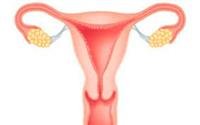
Endometriosis is inflammation of the inner lining of the uterus (endometrium). A number of symptoms occur, including fever, lower abdominal pain, and abnormal vaginal bleeding or discharge. It is the most common cause of puerperal fever. It is also considered part of pelvic inflammatory disease. There are two types of endometritis, acute and chronic. The acute type is usually caused by an infection that passes through the cervix as a result of a miscarriage, during menstruation, after childbirth, or as a result of wiping or having an IUD ed. There are a number of risk factors for endometriosis after childbirth, including a cesarean delivery and prolonged rupture of membranes. The chronic type usually occurs after menopause. Endometriosis can be confirmed with an endometrial biopsy, and ultrasound imaging may be useful to confirm that there is no tissue left in the uterus. Treatment is usually with antibiotics. Treatment recommendations for postpartum endometriosis include clindamycin and gentamicin. Screening and treatment of people at risk of gonorrhea and chlamydia are also recommended. The chronic form of the disease may be treated with doxycycline. The prognosis is usually good with treatment. Endometriosis occurs in an average of 2% after a vaginal delivery, 10% after a scheduled caesarean section, and 30% with ruptured membranes before a cesarean delivery, if prophylactic antibiotics are not taken. The term "endometritis" is sometimes used if there is inflammation in the lining and myometrium of the uterus. Endometriosis is common in some animals, such as the cow.
Symptoms
A number of symptoms occur, including fever, lower abdominal pain, and abnormal vaginal bleeding or discharge.
Species
Acute endometritis
Acute endometritis is usually caused by an infection, and isolated causes are often thought to be from high-risk abortions, childbirth, medical devices, and small portions of the placenta remaining. There is insufficient evidence about the benefit of using prophylactic antibiotics in preventing endometriosis after manual removal of the placenta in a vaginal delivery.
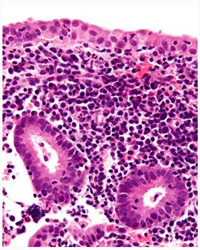
On histological examination, the endometrial tissue is usually infiltrated with neutrophils. Symptoms of the acute type usually include a high fever and a purulent vaginal discharge. Menstruation is profuse after acute endometriosis, and if the condition is mild, it clears up within two weeks of using the antibiotics clindamycin and intravenous gentamicin.
The acute form is associated in some populations with Mycoplasma genitalium and pelvic inflammatory disease
Chronic endometritis
The chronic type is characterized by the presence of plasma cells in the parenchyma. Lymphocytes, eosinophils, and oral follicles may also be present, but in the absence of plasma cells, they are considered insufficient for histological diagnosis. It may appear in about 10% of all endometrial biopsies due to irregular bleeding. A number of microorganisms are present, the most common being Chlamydia trachomatis (chlamydia), Neisseria gonorrhea, Streptococcus lactis (Streptococcus staphylococcus), Mycoplasma hominis, tuberculosis, and various viruses. Most of these pathogens can cause chronic pelvic inflammatory disease. People with chronic endometriosis may have an underlying polyp of the cervix or endometrium (infectious causes are more common). Treatment with antibiotics is sufficient in most cases (depending on the underlying cause), with rapid complete disappearance of symptoms in just 2-3 days.
Chronic granulomatous endometriosis is usually caused by tuberculosis. The granulomas are small, scattered, and without cowardice, and take about two weeks to develop, and since the endometrium sheds every 4 weeks, the granulomas are poorly formed.
In humans, pyoderma (also an important veterinary condition) is a form of chronic endometritis that appears in older women, resulting in cervical stenosis, secretion buildup, and infection. Symptoms of chronic endometriosis include blood-tinged secretions, but in pyometra the patient complains of lower abdominal pain.
pyometra
Crystal Clear app kdict.png Main article: Pyometra
In this case, pus collects in the uterine cavity.
There must be an infection with a blockage in the cervix. Symptoms and signs include lower abdominal pain (suprapubic pain), fever, shivering, and more. Treated with antibiotics, according to culture results and sensitivity.