
Other names
Inflammation formed in the pulp of the tooth may be partially due to bacterial contamination, and in such cases it is reversible and reversible.
The dentist offers conservative treatments, such as: filling the tooth’s pulp or tooth enamel without the need to remove the infected pulp, and even without the need to treat the root canal of the tooth.
In other cases that cannot be repaired, such as: chronic pulpitis, acute pulpitis, and death of tissues in the pulp, the doctor cannot treat the inflammation with drugs in order to restore the tooth to its previous state, but must remove the infected pulp and treat the root canal of the tooth.
Pulp functions
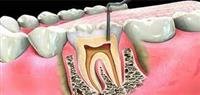
The pulp tissue is the only soft tissue in the tooth and is located in the inner part of the tooth root, where the pulp consists of connective tissue in its base and contains different types of cells, including neurons and distinct cells called odontoid cells, which build the hard inner part of the tooth, which is called dentin The intercellular substance of the pulp of the tooth has four basic functions, namely:
Production: the production of dentin.
Nutrition: the transfer of various substances from the pulp cavity of the tooth to the dentin by the channels in the dentin.
Sensory information transmission: Sensory information is transmitted through small nerve fibers located in the pulp of the tooth and passes through the channels in the dentin to the dentin itself.
Protection: The pulp and dentin protect the tooth from any damage to the dentin.
When the dentin is injured due to a strong blow or due to decay, germs leak into the pulp and infections that cause disease occur in the tissue.
Symptoms of pulpitis diseases
Pulp diseases usually come with symptoms that include
Toothache when eating hot or cold foods.
Severe and sudden mouth pain.
infection.
Causes and risk factors for pulpitis diseases
Usually pulp disease is caused by a small necrotic defect in the enamel that spreads in the dentin, where the tooth reacts sensitively to hot, cold or sweet, and the reason is the presence of many small channels in the dentin, which include the endings of the leukemic nerve, where this soft tissue consists of blood vessels and nerve fibers To supply the teeth with blood.
As long as the tooth decay does not reach the pulp, the resulting damage can be repaired and the so-called third dentin is allowed to form. However, if bacteria penetrate the pulp, they become infected and lead to pulpitis.
The causes and factors of pulpitis diseases include the following
Germs: through deep caries.
Trauma: such as the collision that occurs as a result of accidents.
Chemicals: through substances that are exposed to the dentist.
Complications of pulpitis
If left untreated pulpitis can lead to an abscess, which is a localized infection of the bone or soft tissue, a person may notice lumps of pus next to their teeth.
Cellulitis may occur if the infection spreads to local tissue spaces and causes extensive swelling. Most common complications include:
Swollen lymph nodes.
painful rash
Fever.
goosebumps.
Difficulty swallowing.
Difficulty opening the mouth.
If a person experiences any of the above symptoms, or sees changes in mental status, and has difficulty breathing, they should seek emergency medical help.
Diagnostics of pulpitis
A dentist can diagnose pulpitis from a person''s symptoms, dental examination, and possibly X-rays. In some cases, the dentist may perform other tests, such as:
Sensitivity testing: Your dentist will check to see if cold or hot stimuli are causing pain and discomfort.
Inflammation test: The dentist gently taps the tooth with a lightweight tool to check the level of inflammation.
Electrical pulp test: The dentist may use an instrument to deliver a small electrical charge to the pulp. If a person feels the charge, the pulp responds normally.
These tests can help the dentist determine the extent of damage.
Treatment of pulpitis diseases
In reversible pulpitis, the vitality of the pulp can be preserved if the tooth is treated, usually by removing caries and then restoring them.
In endodontic treatment, an incision is made in the tooth and the pulp is removed, then the root canal system is completely purified. After root canal treatment, clinically adequate healing is demonstrated by symptomatic analysis and radiography by means of bone filling in the radiological area at the root apex over a period of months.
If patients have signs of infection such as fever, an oral antibiotic is prescribed, but if symptoms persist or worsen, root canal treatment is usually repeated.
Prevention of pulpitis diseases
To prevent pulpitis, people can ensure that they maintain good oral hygiene to remove unhealthy bacteria from their mouth and teeth. To help maintain healthy teeth and gums, a person should:
See your dentist regularly.
Seek immediate attention for a toothache or sensitivity.
Brushing your teeth twice daily.
Floss daily.
Limit or avoid sugary foods.
People who experience bruxism, which occurs when a person grinds or clenchs their teeth while they sleep, may want to consider wearing a mouthguard at night.
Common types
The most common types of pulpitis include
1. Chronic pulpitis
It is the first inflammation that affects the pulp of the tooth, usually when the stimulus is slow and gradual, as this inflammation causes pain, especially as a result of changes in temperature.
2. Acute pulpitis
This condition develops as a subsequent stage to the occurrence of chronic pulpitis, as this type of inflammation is characterized by severe pain and great sensitivity to cold that requires urgent treatment by excision of part of the pulp