Your skin may appear red spots that indicate that you have neurodermatitis, what are the other symptoms associated with it? And what are the ways to treat it?
What is neurodermatitis?
Neurogenic eczema is defined as a skin inflammation that begins with itching as a result of thickening of the skin in one of the following areas of the body:
the arms.
legs.
back of the neck.
ears.
thigh.
chest areas.
Anal regions.
genitals.
Neurogenic eczema may develop to other areas on the surface of the body, and the itching can be so severe that a person scratches that area, making it worse, as the nerve endings in the affected area may become irritated by scratching.
Neurogenic eczema is a non-serious disease, but it may cause discomfort as a result of itching, which hinders many things in the lifestyle of the sufferer.
It should be noted that eczema neurasthenia seldom goes away completely and is not contagious at all.
Symptoms of Neurological Eczema
When a person develops neurodermatitis, a person is likely to notice many of the following signs and symptoms:
Itching: Unlike regular eczema or psoriasis, neurodermatitis causes the surface of the body to itch.
Pain: It was found that when neurodermatitis appears on the scalp, it leads to severe pain with strong itching.
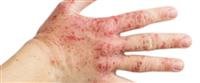
The appearance of a rough red patch that tends to a violet color: When a person continues to scratch or rub that patch, this leads to the appearance of scales on the surface of the skin.
Hair loss: especially when you continue to scratch the scalp.
Skin damage and bleeding: especially when the affected areas are left untreated.
Factors that increase the risk of developing neurological eczema
There are many factors that increase the risk of developing neurodermatitis, including the following:
Gender and age: Women are more likely to have neurodermatitis than men, especially between the ages of 30-50 years.
Infection with other skin problems: When the skin is exposed to skin problems such as rashes, the possibility of developing neurodermatitis increases.
Family history: People who are related to people who have had dermatitis, eczema or psoriasis are more likely to develop eczema neuron.
Anxiety: Usually any nervous disorder that leads to many health problems, and among these problems was eczema.
Diagnosis of neurodermatitis
A doctor may diagnose neurodermatitis by examining the affected skin and determining if the affected person has itching and scratches.
To rule out other causes of thickened and itchy skin, your doctor often takes a small sample of your affected skin to send to a laboratory for testing if it''s caused by eczema or other skin conditions.
Methods for treating neurological eczema
Treatment aims to relieve itching or prevent the emergence of any complications that may lead to a worsening of the condition only. As for getting rid of eczema neurasthenia once and for all, the treatment is not available to this time.
Treatment methods for relieving the symptoms and complications of neurodermatitis are as follows:
Anti-itch creams: These include corticosteroid cream and Calcineurin ointment.
Corticosteroid injections: Your doctor may inject cortisone directly into the affected skin to help it heal.
Itching medications: Antihistamines help relieve itching, but some of these medications can cause drowsiness and help relieve itching while you sleep.
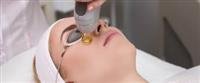
Light therapy: Exposing the affected skin to certain types of light is sometimes helpful in relieving the effects of eczema.
Cold compresses: Applying cold compresses or ice packs for 5 minutes helps reduce itching.
Treating anxiety and stress: When medication fails to treat neurodermatitis, it may be helpful to consider reducing stress and anxiety, which can worsen itching.