

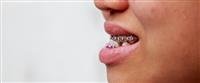
The lower jaw is a common problem that causes many damages. Find out how to treat and why in this article.
mandibular advancement
It is an extension or protrusion of the lower jaw, which occurs when the teeth are not aligned properly with each other due to the shape of the facial bones.
This negatively affects breathing, speaking, appearance, biting and chewing.
Reasons for the advancement of the lower jaw
The progression of the lower jaw affects all ages and people, and it has been proven that it is caused by several factors, including the following:
Genetic factors, such as: the presence of a genetic factor for the emergence of the jaw.
Medical conditions or a genetic disorder, such as Down syndrome or Crouzon.
Growth hormone disorders, such as: gigantism, or acromegaly, which causes excessive jaw growth.
Diagnostics of mandibular advancement
In addition to asking the patient about the symptoms and difficulties he suffers from, the patient may be asked for a set of diagnostic tests in order to more accurately determine the severity of the condition, such as:
X-ray of the entire skull.
Dental panoramic x-ray.
Bite print to build a template.
Lower jaw treatment
When diagnosing mandibular advancement, the maxillofacial surgeon evaluates any symptoms associated with the condition, such as difficulty breathing, difficulty speaking and eating, and determines any other symptoms associated with jaw progression because jaw protrusion may be associated with serious medical problems before moving on to treatment of mandibular advancement.
Lower jaw advancement is treated in the following ways
1. Surgery
The treatment of mandibular advancement is through maxillofacial surgery in addition to orthodontics, in order to correct the imbalance caused by the advancement of the lower jaw.
Depending on the type and severity of the condition, the doctor decides whether one or both jaws is needed surgically.
During surgery, the surgeon removes portions of the jawbone and then holds the jaw in place with plates, screws, or wires.
The patient may need to wear orthodontics before and after surgery to stimulate the teeth to move to their new positions
2. Treatment of health conditions associated with the advancement of the lower jaw
If the progression of the lower jaw is associated with medical conditions, the doctor may recommend other treatments to control it, such as:
Acromegaly
Treatment of acromegaly aims to reduce the production of growth hormone, and reduce the negative effects of the tumor on the pituitary gland and surrounding tissues.
Acromegaly is treated through the following
Use of medications, such as: drugs that reduce the production of growth hormone, or drugs that block its effect on its receptors.
Surgery to remove pituitary tumors.
Radiation therapy if cancer cells remain after surgery, because radiotherapy kills the remaining cancer cells and reduces the production of growth hormone.
Gorlin''s syndrome
Gorlin syndrome is a genetic syndrome that affects many parts of the body and increases the risk of developing cancerous and noncancerous tumors.
The treatment plan depends on which parts of the body are affected, and treatment may be surgery to remove jaw cysts.
Archelis Graham Syndrome
Or what is known as varicose veins is a genetic disorder that affects the bones of the face.
Depending on the patient''s symptoms, the doctor may recommend surgery to correct bone deformities, and the doctor may prescribe nutritional supplements to promote growth and others.
Postoperative mandibular advancement surgery
The patient needs to follow a diet for 6 weeks after the mandibular advancement surgery, because the initial jaw healing needs about 6 weeks, while the full recovery needs 12 weeks.
The doctor also recommends some instructions, as follows
Oral hygiene instructions.
Avoid strenuous activities.
Take some medications to control the pain.
Avoid smoking
Risks of mandibular advancement surgery
There are some risks associated with the surgery, including the following
blood loss
Infection.
Jaw fracture.
Return the jaw to the original position.
Partial loss of the jaw.
Pain and swelling after the operation.
eating problems


