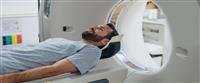

Have you ever heard of brain catheterization? What are the most important things you should know about it? More details below. Brain catheterization or what is known as cerebral angiography or intravascular imaging by digital subtraction is performed to detect several problems affecting the brain to be treated later, and the patient must adhere to
A set of instructions before and after the operation. More about brain catheterization in the article:
Brain catheterization
Brain catheterization is performed by ing a catheter, which is a long, thin, and flexible tube into an artery in the arm or leg. Using the catheter tube, the doctor injects a medical dye into the blood vessels to the brain. Later, x-ray images show any disturbances in the blood vessels inside the brain.
Brain catheterization is usually done after one of the initial tests that indicate a problem, as brain imaging results are more accurate and can detect and diagnose acute stroke.
Why is brain catheterization performed?
Brain catheterization is used to look for any abnormal changes in the blood vessels of the brain, such as:
Bulging, swelling, or narrowing of blood vessels.
Arteriosclerosis.
vasculitis
Abnormal connection between arteries and veins.
The presence of a blood clot in a blood vessel.
Complete blockage of blood vessels.
Oncology.
brain attack.
Dislocation of brain tissue due to any pressure inside the brain, bleeding or herniated arteries.
High pressure within the brain or fluid buildup within the brain.
How is brain catheterization performed?
Catheterization is performed under the supervision of a doctor, following the following steps:
Extend the patient on an x-ray table.
Connecting the patient to an electrocardiogram to record the electrical activity of the heart, and his vital signs such as: pulse, blood pressure level, and respiratory rate will be monitored, and neurological signs will be monitored during the operation.
Clean the area to be injected, and inject it with a local anesthetic.
Placing a thin catheter into an artery in the neck, arm, or groin.
Passing the tube after ing it through the artery, and it is monitored through a special type of x-ray.
Injection of a dye that shows blood vessels visible on x-rays.
Taking pictures using x-rays showing arteries, blood flow in vessels and capillaries.
Remove the catheter after you are finished with pressure on the area to prevent any bleeding.
Place a bandage over the area after the bleeding has stopped.
Side effects of brain catheterization
There are several risks or side effects that the patient may be exposed to as a result of the medical procedure. Here are the most prominent ones:
Feeling of discomfort or pain where the catheter was ed.
risk of having a stroke.
Feeling a little warm due to the injected dye.
A feeling of pressure when the catheter is ed into the vein.
The appearance of some symptoms that require telling the doctor immediately, such as
General weakness, numbness in the muscles of the face, arm or leg.
Vision problems.
Infection at the catheter site.
pain in chest.
slow or slurred speech
breathing difficulties.
allergy.
Difficulty using the tip where the catheter was ed.
Advice when performing brain catheterization
Here are some tips before and after the procedure
1. Important tips for the patient before catheterization
Here are some tips and information that you should remember before performing the operation as follows:
Get rid of your clothes or any other jewelry that might get in the way of the doctor''s work.
Wear the clothes provided by the hospital.
Empty your bladder before the operation, as it will take approximately 3 hours.
Bring someone home with you because you will be under the influence of the drug.
Tell your doctor about all your medicines, especially blood thinners such as aspirin, or herbs, that you take.
Follow the instructions your doctor tells you about when to stop eating and drinking.
Take a shower before you go to the hospital, and don''t apply any moisturizer, deodorant, perfume, or nail polish.
Throw away any contact lenses you wear.
Do not shave the operation site yourself.
2. Important tips for the patient after catheterization
There are also important medical tips for the patient to follow after he undergoes a brain catheterization procedure. Here are the most important of these tips as follows:
Refrain from strenuous sports that require pushing or pulling.
Do not climb stairs for two days if you had a groin catheter.
Do not bend your wrist for the first two days if the catheter is in the hand.
Practice your movement and walk as directed by your doctor.
Drink fluids in large quantities to get rid of the dye, but in cases of kidney, heart or liver diseases, see a doctor to determine the amount of fluids.
Make sure to eat healthy food.
Take your medications according to what the doctor decides, and do not take an unprescribed medication before making sure of it.