side effects?
Radiation therapy is one of the basic treatments in the world of cancer, it may be a complement to treatment or its basis, here is the most important thing you need to know about radiation therapy. With the development of medicine, treatments for malignant and benign tumors have varied, and in this article we will discuss one of the internationally approved treatments, which is radiotherapy. What is radiotherapy? How it works?
What are the circumstances of his choice?
What is radiotherapy?
In fact, about half of the people who suffer from cancer are treated today with radiation, some of them are treated only by it, while others, doctors combine it with other treatments such as chemotherapy, and there are several types of radiation therapy:
Local radiotherapy: It requires implanting radioactive seeds at the site of the tumor itself to destroy cancer cells.
External radiotherapy (modified and 3D): These are two methods that depend on an individual design for each patient, during which the way the radiation beam enters is determined by making a special template that fits the patient.
It is worth noting that a more common type of radiation therapy is external beam radiation, as it is used for almost all types of cancer.
When is radiotherapy chosen?
As we mentioned earlier, radiation therapy is often associated with other cancer treatments, such as surgical and chemotherapy, and the main goal of radiation therapy is to reduce the size of tumors and kill cancer cells, and radiation may also target healthy cells, but it is not necessary to suffer damage. cancer, as healthy cells have the ability to revive themselves.
Radiotherapy may be chosen in each of the following cases
Relief of certain symptoms of advanced stages of cancer.
Essential treatment to eliminate tumors.
Used in conjunction with other treatments (fighting the tumor from the inside and the outside).
Shrink the tumor before surgery.
Elimination of residual cancer cells after the option of surgery.
How do you prepare for radiotherapy?
After the doctor decides that this treatment is the most appropriate method for this stage of your overall treatment journey, the specialist doctor will determine for you the treatment plan, the appropriate dose or radiation beam and its frequency, and after that you will undergo a radiological simulation session, through which treatment conditions are simulated and a plan and a fixed template are prepared from It determines the locations of directing radiation beams.
During the simulation session, you will undergo CT scans or X-rays to determine the full extent of the tumor and to locate the radiation focus.
How is radiation therapy done?
In general, one round of radiotherapy extends 5 days a week for a period of 10 weeks, while one session takes about 10-30 minutes, while the number of treatment rounds varies according to the doctor’s plan for the size and location of the tumor.
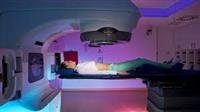
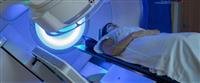
During the session, you lie down on the radiotherapy table, and the medical team will fix you in a position that is completely identical to what was approved during the simulation, using the mold that the doctors previously prepared for you. The radiation machine moves around you and around the table and may wheeze, in any case, don''t worry about that.
Follow-up treatment after radiotherapy
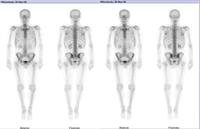
After undergoing a few treatment sessions, the doctor will be able to compare the effect of the doses on the tumor and your general health, so you will pass a set of CT scans, and radiological examinations as well, and then the doctor will tell you about your situation. He may have some means to mitigate them.
Side effects and risks associated with radiotherapy
Regardless of the type of radiotherapy that a person uses, the side effects are often the same, in terms of the skin, the following changes may occur on it:
skin dryness.
redness and burning
peeling of the skin
Wound hardening.
As for the rest of the side effects, they relate to the area of the body that is subject to treatment, but they may include:
Diarrhea.
earaches
mouth ulcers
Dry mouth.
Nausea and vomiting.
impotence
Sore throat.
swelling.
trouble swallowing
Difficulty urinating.
These side effects disappear within two months since the last radiology session, but some effects may persist or even appear after six months since the end of treatment, and late effects may include:
Oral problems.
Lymphedema or swelling of the tissues.
infertility.
New secondary cancer.