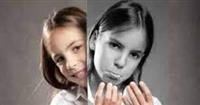

Children can have the same mental health conditions as adults, but their symptoms may be different. Learn what to watch for and how you can help. It can be difficult for parents to identify mental or psychological illness in their children, and as a result, many children who could benefit from treatment do not get
help they need, let''s learn about the warning signs of mental illness in children and how you can help your child cope with it.
Reasons difficult to determine
It is usually up to the adults in a child''s life to determine whether or not the child has a mental health problem, and unfortunately, many adults are not aware of the signs and symptoms of mental illness in children.
Even if you know the signs of danger, it can be difficult to distinguish signs of a problem from a child''s normal behavior. You might say the reason is that every child shows some of these signs at some point. Also, children often lack the vocabulary or developmental ability to articulate their problems.
Concerns about the stigma associated with mental illness, the use of certain medications, and the cost or financial difficulties of treatment may prevent parents from seeking care for children with suspected mental illness.
Health conditions affecting children
Children can have all the same mental health conditions as adults, but sometimes they express them differently. For example, depressed children will often show more irritability than adults who usually show sadness.
Children can develop a number of mental health conditions, including
Anxiety disorders. Children with anxiety disorders — such as obsessive-compulsive disorder, post-traumatic stress disorder, social phobia, and generalized anxiety disorder — experience anxiety as an ongoing problem that interferes with their daily activities.
However, some anxiety is normal in the life of every child, and his condition often changes during the transition from one stage of development to another. However, when anxiety or stress makes it difficult for the child to practice his life normally, an anxiety disorder must be considered.
Attention Deficit Hyperactivity Disorder (ADHD). Symptoms of this condition usually fall into three categories: difficulty concentrating, hyperactivity, and impulsive behavior. Some children with ADHD have symptoms that fall into all of these categories, but some may only have symptoms in one category.
Autism Spectrum Disorder (ASD) Autism spectrum disorder is a serious developmental disorder that appears in early childhood, usually before the age of 3. Despite the varying symptoms and severity of autism spectrum disorder, it always affects children''s ability to communicate and interact with others.
Eating Disorders Eating disorders (such as anorexia nervosa, bulimia nervosa, and binge eating disorder) are serious and life-threatening conditions. Children can become so preoccupied with food and weight that they focus less on other things.
Mood disorders. Mood disorders (such as depression and bipolar disorder) can cause children to have persistent feelings of sadness or extreme mood swings that are more severe than the normal mood swings common to many people.
Schizophrenia, this chronic mental illness causes children to lose touch with reality (psychosis). Schizophrenia often appears in late adolescence and into the twenties.
Warning signs
Warning signs that your child may have a mental health condition include
Mood changes. Look for signs of sadness or isolation that last for at least two weeks, or look for extreme mood swings that cause relationship problems at home or at school.
Strong emotions. Watch for any feelings of very strong fear for no reason (sometimes with a racing heart or rapid breathing), anxiety, or fear so intense that it interferes with daily activities.
Behavioral changes. This includes severe changes in behavior or personality, as well as dangerous or uncontrollable behavior. Frequent fights, use of weapons, and a desire to severely harm others are warning signs.
Difficulty concentrating. Look for signs of trouble concentrating or sitting quietly, as both can lead to poor performance in school.
Unexplained weight loss, sudden loss of appetite, frequent vomiting, or use of laxatives may indicate an eating disorder.
Physical Symptoms Compared to adults, children with a mental health condition may experience headaches and stomachaches rather than sadness or anxiety.
Physical harm Sometimes having a mental health condition leads to self-harm, which is also called self-harm. Self-harm is an act in which one deliberately causes harm to one''s body, such as burning or cutting oneself. Children with a mental health condition may have suicidal thoughts or actually attempt suicide as well.
Substance abuse Some children use drugs or alcohol to try to cope with their feelings.
How do I act in case of doubt?
If you are concerned about your child''s mental health, see a pediatrician, describe the behavior that concerns you, and also talk to the child''s teacher, close friends, loved ones, or other caregivers to see if they have noticed any changes in the child''s behavior, and pass this information on. To the pediatrician as well.
Diagnosis
Children''s mental health conditions are diagnosed and treated based on the signs and symptoms and how the condition affects the child''s daily life. Simple tests are not available to determine if something is bad. To make a diagnosis, your child''s doctor may recommend that your child be evaluated by a specialist, for example a psychiatrist, psychiatrist, social worker, psychiatric nurse, mental health consultant or behavioral therapist.
Your child''s doctor or mental health provider will see your child for a mental health condition, based on the criteria in the Diagnostic and Statistical Manual of Mental Disorders (DSM), published by the American Psychiatric Association, which describes the signs and symptoms that indicate to mental health conditions.
The child''s doctor or mental health provider will also look for other possible causes for the child''s behavior, such as a history of medical conditions or trauma. The doctor may ask you questions about your child''s development, how long your child has been behaving, teachers or caregivers'' description of the problem, and any previous mental health conditions in the family.
Diagnosing mental illness in children can be difficult because young children often have difficulty expressing how they feel, and normal development varies from child to child. Despite these difficulties, a proper diagnosis is an essential part of the treatment plan.
treatment
Common treatment options for children with a mental health condition include
Psychotherapy, also called talk therapy or behavioral therapy, is a way to treat mental health problems by talking with a psychiatrist or other mental health provider. During psychotherapy, the child may learn about their condition, moods, feelings, thoughts, and behaviors. Psychotherapy can help the child learn how to respond to difficult situations with appropriate coping skills.
Treatment with medication. Your child''s doctor or mental health provider may recommend that your child take certain medications (such as stimulants, antidepressants, anti-anxiety medications, antipsychotics, or mood stabilizers) to treat a mental health condition.
Some children benefit from a combination of more than one method. Consult your child''s doctor or mental health provider to determine the most effective method for your child, including the risks or benefits of specific medications.
How can you help your child?
Your child needs your support now more than ever. Before a child is diagnosed with a mental health condition, both parents and children may experience feelings of helplessness, anger and frustration, so seek advice from your child''s mental health provider on changing the way you interact with your child and how to deal with challenging behaviour.
Find ways to relax and have fun with your child. Praise your child''s strengths and abilities. Learn about new stress management techniques that may help you understand how to calmly deal with stressful situations.
Be sure to seek advice from the family or the help of support groups as well. You and your loved ones must understand your child''s illness and feelings, as well as understand what all of you must do to help the child.
To help your child succeed in school, tell your child''s teachers and school counselor that your child has a mental health condition and, if necessary, work with school officials to develop an academic plan that meets the child''s needs.
If you are concerned about your child''s mental health, be sure to seek advice. Do not avoid getting help for your child because of shame or fear. With the right support, you can find out if your child has a mental health problem or not, as well as discover what treatment options are available to help the child. to adapt to it.