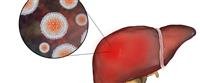
lungs
During the past weeks, the results of studies began to follow in relation to the extent of the danger of the Omicron mutant, and some of them showed that this mutant may not be as dangerous as the Delta mutant, and it is believed that one of the factors that make this mutant less dangerous than its predecessors is that its effect may not affect the lungs. According to a group of scientific studies published recently
It is believed that the Omicron mutant may infect the throat with higher chances of infecting the lungs, and this particular factor is what may make the Omicron mutant less dangerous than its predecessors, and at the same time more capable of spreading rapidly.
According to the outputs of six studies, the results of which were released between the last third of December of last year and the beginning of this year, it was noted that the Omicron mutant:
Unlike some previous Omicron mutants such as the delta mutator, there may not be any serious damage to the lung tissue.
The recovery period is often quick, as the body tends to get rid of it and fight it off faster than other mutants.
It may stimulate a non-dangerous type of pneumonia in some cases, no more.
However, it must be noted that the aforementioned studies have not yet been subject to peer review by researchers and scientists, so their results are preliminary.
Omicron mutated: affects the upper respiratory tract
It is believed that the many mutations that generated the Omicron mutant have led to changes that made it more capable of infecting certain types of cells over others, as it seems, according to the currently available scientific data, that this mutant may specifically infect cells in the upper half of the respiratory system, specifically the cells in the upper half of the respiratory system. Throat, so that the virus multiplication processes are concentrated in the throat instead of the inner lung tissues.
And the presence of the largest share of the virus particles in the throat may be the scientific explanation for the rapid spread of this mutant, as it may be the factor that may make it less dangerous, in light of the scientific data that viruses that infect the cells of the inner lungs are often the most dangerous and slowest spreading viruses, and this Exactly what does not apply to the Omicron mutant.
Omicron mutant: less dangerous, but caution is required
Although many preliminary scientific data have indicated that it may be less dangerous than its predecessors, this does not mean complacency with the preventive measures taken against the emerging corona virus, as:
There are reported deaths from infection with the Omicron mutant.
The Omicron mutant may cause serious complications for certain groups, such as: Those with weak immunity.
The Omicron mutant can penetrate immunity acquired from basic vaccine doses, and in return, supportive doses can provide partial immunity to it.
It should also be noted that it may not be easy to detect infection with the Omicron mutant through a nasal swab, but it may be necessary to undergo a throat swab as well to obtain more accurate results, so you may be infected and may spread the infection to groups at risk of this mutant without knowing if you do not know. Adhere to preventive measures.