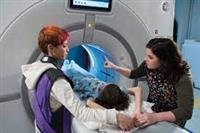
A computerized tomography (CT) scan combines a series of X-ray images taken from different angles around the body and uses computer processing to cross-sectional images (slices) of the bones, blood vessels and soft tissues inside the body. A CT scan provides more detailed information than imaging
Ordinary x-rays.
A CT scan has many uses, but it is particularly suitable for quickly examining people who may have internal injuries from motor vehicle accidents or other types of physical injuries. A CT scan can be used to closely view all parts of the body and can also be used to diagnose disease or injury, and also to plan medical, surgical or radiation treatment.
Why is this being done
Your doctor may recommend a CT scan to help
Diagnosis of musculoskeletal disorders such as bone tumors and fractures
Accurately locate a tumor, infection, or blood clot
Directing procedures such as surgery, biopsy, and radiotherapy
Detect diseases and conditions such as cancer, heart disease, lung nodules and liver masses and monitor their progression
Monitor the effectiveness of specific treatments, such as cancer treatment
Detection of internal injuries and internal bleeding
Risks
exposure to radiation
During a CT scan, you''ll be exposed to ionizing radiation for a brief period. The amount of radiation in a CT scan is greater than the amount you''ll be exposed to during a regular X-ray, because the CT scan collects more detailed information. Low doses of radiation used in CT have not been shown to cause long-term harm, although at higher doses, the risk of cancer may be slightly increased.
A CT scan has many advantages that outweigh any small potential risks. Doctors use the lowest possible dose of radiation to obtain the required medical information. Also, newer and faster machines and technologies require less radiation than was used previously. Talk to your doctor about the benefits and risks of a CT scan
Damage to fetuses
Tell your doctor if you are pregnant. Although the radiation from a CT scan is unlikely to harm the fetus, your doctor may recommend another type of scan, such as an ultrasound or MRI, to avoid exposing the fetus to radiation. The low radiation levels used in CT scans have not previously been observed to have negative effects on humans.
Reactions to contrast material
In certain cases, your doctor may recommend that you receive a special dye called contrast material. This dye can be something you''re told to drink before a CT scan, or it can be given through a vein in your arm or ed into your rectum. Although rare, contrast material can cause medical problems or allergic reactions.
Most reactions are mild and result in a rash or itching. In rare cases, an allergic reaction can be serious, or even life-threatening. Tell your doctor if you have ever had a reaction to contrast material.