
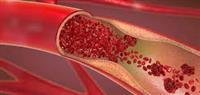
Aplastic anemia is diagnosed by testing deoxyribonucleic acid (DNA), which is the genetic material of the body, in order to detect the gene that causes this disease. We are talking about this serious genetic disease, which is a deficiency in red blood cells, which later leads to a deficiency in other blood cells. The disease is represented
Also, several changes appear in the skeleton, especially in the fingers.
Cancer, especially leukemia, appears at an early age in a large proportion of people with this disease. There is a possibility of giving birth to a child with the disease only when the parents are carriers of the gene that causes the disease, and this can be known by conducting a DNA test for genetic diagnosis before a woman becomes pregnant, and it is done by taking a blood sample.
When is the examination performed?
Diagnostic examination for aplastic anemia can be performed in couples who are both of the same ethnic origin. In these populations there is a high percentage of carriers of this gene, because they have a particular mutation, and they are genetically diagnosed before pregnancy.
Another reason for conducting this examination is for pre-pregnancy diagnosis in families in which this disease is transmitted by inheritance. In addition, there is another type of genetic material examination that can be performed for children who are suspected of having the disease, depending on certain pathological signs, such as having anemia of unknown cause or another problem in the blood cells, such as examining chromosomal breaks.
Prepare for the examination
No special preparations are required before the examination.
category at risk
People with infectious diseases transmitted through blood, such as hepatitis (HIV, Hepatitis) and others, must inform the doctor of this before conducting the examination. Infectious diseases are not a contraindication for a diagnosis of aplastic anemia, but medical personnel must adopt caution to prevent infection from being transmitted to them.
related diseases
Related diseases include Fanconi''s Anemia.
The method of conducting the examination
The DNA test is carried out in a manner similar to the way in which the diagnosis of Fragile X syndrome (FXS) is carried out, by taking a sample of blood, as the person being examined extends his hand on a flat surface or table in an inverted manner and then the upper part of his neck is tied His arm is with an elastic band.
The person is asked to clench the palm of their hand, which helps in finding a good blood vessel to take the blood sample from, which is often a vein in the elbow or forearm area. Sometimes the sample is taken from the back of the palm.
When a vein of adequate size is found, the area is sterilized with alcohol, and then the vein is pricked with a fine needle attached to a test tube, a syringe, or a butterfly-shaped instrument used to draw blood.
The person may feel a slight pain caused by the needle prick.
Later, the examiner draws the required amount of blood into a special laboratory tube. When the blood is drawn, the needle is quickly removed from the vein, and then the puncture site is immediately pressed with a tissue, to prevent bleeding in the puncture area. The examination takes approximately five minutes.
The test tube is taken to a special laboratory in order to examine the genetic material in the blood cells.
after examination
Compression can be discontinued after 2-3 minutes or when local bleeding has stopped.
Mild local bleeding often occurs in the puncture area, but it resolves within a few days and does not require treatment. In rare cases, severe, painful and swollen bleeding may appear in the puncture area, which requires informing the doctor in order to rule out infection in the vein area (phlebitis) that requires treatment.
Warnings
general
There is a very small risk of having a genetic test with a blood sample include slight pain or bruising where the needle was ed, but most of these symptoms usually go away quickly.
During pregnancy
There are no special warnings.
Breast feeding
There are no special warnings.
Children and infants
There are no special warnings.
the elderly
There are no special warnings.
Driving
There are no special warnings.
Medications that affect the test result
There are no special warnings.
Analysis of the results
Today, the exact location of a group of disease-causing genes is known, and genetic mutations can be distinguished in an easy and effective way if they exist.
13 genes causing this disease were discovered, including: FANCA, FANCB, FANCC, FANCD1, FANCD2.
The results of aplastic anemia examination indicate clearly and in detail whether there is a mutation in one of the genes causing the disease, and according to the type of mutation, the risk of giving birth to a sick child or a carrier of the disease is determined.