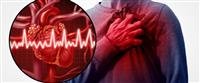
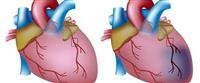
Angina pectoris is one of the symptoms caused by a decrease in blood flow to the heart muscle, due to a problem in the coronary artery. When the heart muscle (myocardium) does not get enough oxygen-rich blood, this leads to chest pain described as It is usually referred to as a pressure or heaviness that tends to the left side of the spine
the chest.
Types of angina
There are several types of angina pectoris, as follows
Stable angina.
Unstable angina.
Vasospastic angina.
Sometimes it is difficult to differentiate angina from other chest pains. Therefore, it is preferable to see a doctor as soon as possible.
Symptoms of angina
Symptoms of angina are divided according to type, as follows
Stable angina
Symptoms are described as follows
Increase in heart rate when doing physical activity, such as: climbing stairs.
Pain that lasts less than 5 minutes and goes away after resting, or after taking medication for angina.
Pain spreading to the arms, back, and other areas of the body.
Psychological or emotional stress for the patient.
Unstable angina
Symptoms are described as follows
Pain, even at rest, that extends for a longer period, as it may last for 30 minutes
The pain does not disappear after resting, or after taking medication.
Sometimes a serious heart attack.
Variable angina
It is described as follows
Pain at rest, which can be relieved by medication.
Heart attack.
Causes and risk factors for angina pectoris
Decreased blood flow to the heart muscle is the main cause of angina pectoris, as blood carries the oxygen needed for the heart to work, and when the heart muscle does not get enough oxygen, a condition called ischemia occurs.
Decreased blood flow to the heart muscle occurs due to coronary artery disease (CAD - coronary artery disease), as these heart arteries become more narrow as a result of the accumulation of fats or what is called plaque, causing atherosclerosis and angina pectoris.
Factors that increase the risk of angina pectoris
There are many factors that increase the risk of developing angina pectoris, such as the following:
smoking.
Hypertension.
Hypercholesterolemia.
Hypertriglyceridemia.
Lack of physical activity.
Obesity.
Diabetes.
Stress.
alcoholic beverages.
Complications of angina
Complications of angina include the following
Difficulty doing simple daily activities, such as walking.
heart attack
Diagnosis of angina
The doctor begins by conducting a physical examination and asking the patient about the symptoms he feels, in addition to some other information, such as: risk factors and family history regarding heart disease.
After that, the doctor asks a set of questions to determine the cause of the pain, such as the following:
Is it pain, discomfort, tightness, pressure, sharp pain, or tingling?
Where is the pain site, and is it concentrated in a specific area?
Does the pain spread to the neck and arms?
When and how did the pain begin, and is there a specific cause for the pain? Is the pain gradually increasing? Did it start suddenly?
How long does the pain last?
What causes the pain to worsen?
What relieves pain, resting, deep breathing, or sitting?
Are there other symptoms in addition to the pain, such as nausea or dizziness?
Are there swallowing difficulties?
Is there heartburn?
After that, some additional tests can be performed to accurately diagnose the condition, such as the following:
Electrocardiography - ECG.
Ergometric Stress Testing.
Chest x-ray.
Echocardiogram.
Radionuclide Scintigraphy.
Angiography.
blood tests
Treating angina
There are many methods that help treat angina pectoris, which aim to reduce the frequency and severity of symptoms, in addition to reducing the risk of heart attack and the risk of death.
Among these treatments, we mention the following
1. Make lifestyle changes
Like the following
Take a break while doing any physical activity.
Refrain from eating fatty meals.
Try to find ways to relax.
Quit Smoking.
Ensure that the diet is healthy.
Weight Loss.
2. Take some angina medications
Like the following
Aspirin.
Nitrates.
Beta blockers.
Statins.
Calcium channel blockers.
Angiotensin converting enzyme inhibitor - ACEI.
Angioplasty and stent ion
Through this method, the artery is widened in order to restore blood flow to it as before, but many doctors prefer to resort to medications and change the diet before this procedure, as it is not considered more effective than other treatments.
Prevention of angina
Avoiding the risk factors that cause angina pectoris as much as possible can help prevent it.
Alternative therapies
There are no herbs that help treat angina.