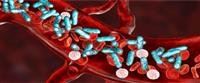
Sickle cell anemia is a genetic disease that results from a change in the hemoglobin protein, which is the main protein in red blood cells that carries oxygen and transports it from the lungs to the tissues of the body. Effect of sickle cell anemia on hemoglobin Blood hemoglobin consists of protein chains of two types:
Two alpha chains.
Two more beta chains.
Hemoglobin in patients with sickle cell anemia differs in one of the amino acids in the beta chains from hemoglobin in normal blood in a person without sickle cell anemia, and this difference leads to:
Protein deposition in the blood cells of patients with low oxygen concentration.
Damage to the cell wall and a change in the structure of blood cells
When is sickle cell anemia useful?
Carrying sickle cell disease, that is, carrying the genes of the disease and not having the disease, gives strength and immunity to confront malaria and the ability to survive in areas where malaria is common.
Symptoms of sickle cell anemia
Signs of infection include
1. Sickle-cell shape of blood cells
In a normal situation, the blood cell is flexible and resembles a small disk, compressed on both sides, like a concave cylinder in its center on both sides, while in the case of sickle cell disease, the blood cell loses its flexibility and takes a sickle shape.
2. The life of blood cells is short
The average lifespan of diseased pellets is short, as they do not live more than one week, which is a very short period compared to the average lifespan of healthy pellets in a normal situation, which live about 120 days, as the spleen gets rid of these abnormal pellets and expels them.
3. Anemia
As a reaction to anemia, the rate of production of red blood cells increases in the body, but this intensive production is not sufficient to compensate for the deficiency in red blood cells, so the patients appear in a state of anemia between moderate and difficult.
Causes and risk factors for sickle cell anemia
Sickle cell anemia is a genetic disease that occurs as a result of disease genes being passed on from both parents.
Complications of sickle cell anemia
Because of the short life of diseased blood cells, the spleen works to compensate the body for this deficiency, and this intense pressure on the work of the spleen causes damage to its functional performance as an organ that protects the body from infections, so patients become more susceptible to inflammatory diseases.
Also, the low elasticity of the sickle cells in anemia leads to blockages in the capillaries, impeding the supply of blood to the tissues of the body. These blockages cause severe pain, and in serious cases, they may cause infarctions. This leads to the affected organs losing their ability to perform their functional tasks, and side problems associated with anemia may also appear, such as fatigue, and delay in growth and development.
Diagnosis of sickle cell anemia
Diagnosing carriers of sickle cell disease is very important, especially in families who may also be carriers of the beta-thalassemia gene. Because the union of the genes of the two diseases with the beta globin chains of the descendants may lead to a serious disease that includes the symptoms of both diseases together.
Sickle cell anemia carriers can be diagnosed by a laboratory test in the laboratory that identifies sickle cell hemoglobin, and Deoxyribonucleic acid - DNA tests allow examination and diagnosis of the fetus in the early stages of pregnancy, i.e. prenatal diagnosis, as it shows whether the fetus is at risk of contracting this dangerous disease.
Sickle cell anemia treatment
The basis for treating sickle cell anemia is to provide the necessary support to the patient, as treatment methods include the following:
Giving a liquid or therapeutic solution into a vein.
Prescribe antibiotics as needed.
Red blood cell replacement in difficult cases, where half of the red blood cell count in the patient''s body is gradually replaced with healthy red blood cells.