
People are exposed constantly to low levels of radiation and naturally occurring (background) radiation, and intermittently to radiation from manufactured sources. Natural background radiation varies tremendously worldwide and within countries as well. In the United States, people receive on average about 3 mSv/year from natural sources and the range of exposures varies from about 0.5 to 20 mSv/year depending on the region, elevation above sea level, and local geology. On average, an additional 3 mSv/year is received from manufactured (mostly medical) sources, making the total average per capita effective dose about 6 mSv/year.
Background radiation
Sources of background radiation include
Solar and cosmic radiation from space
Naturally occurring radioactive elements in the earth
Cosmic and solar radiation is significantly blocked by the earth’s atmosphere but is concentrated at the north and south poles by the earth’s magnetic field. Thus, exposure to cosmic radiation is greater for people living closer to the poles, living at high altitudes, and during airplane flights.
Radioactive elements, particularly uranium and the radioactive products into which it naturally decays (such as radon gas), are present in many rocks and minerals. These elements end up in various substances, including food, water, and construction materials. Radon exposure typically accounts for about two thirds of peoples’ exposure to naturally occurring radiation.
Even in total, the doses from natural background radiation are far too low to cause radiation injury. To date there have been no demonstrated health effects due to differences in the level of background radiation because the risks of radiation-induced health effects at these low exposure levels are either nonexistent or too small to be observed.
Man-made radiation
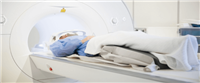
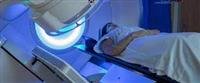
Most people’s exposure to sources of manufactured radiation involves medical imaging tests that use x-rays (particularly computed tomography [CT]) or involve giving radioactive substance (particularly cardiac nuclear medicine scans). People who are receiving radiation treatments for cancer may receive very high doses of radiation. However, every effort is made to deliver the radiation only to diseased tissues and to minimize the radiation to normal tissues.
Exposure also occurs from other manufactured sources, such as radiation accidents and fallout from previous nuclear weapons testing. However, these exposures represent a minor part of most people’s annual exposure. Typically, radiation accidents involve people who work with radioactive materials and with x-ray sources, such as food irradiators, industrial radiography sources, and x-ray machines. Such workers may receive significant doses of radiation. These accidents are rare and typically result from failure to follow safety procedures. Radiation exposure has also occurred from lost or stolen medical or industrial sources containing large amounts of radioactive material. Radiation injuries have also occurred to patients receiving radiation therapy and certain medical procedures that are guided by a pulsed x-ray beam that shows a moving x-ray image on a screen (fluoroscopy). Some of these injuries to patients are the result of accidents or improper use but sometimes, in more complex cases, appropriate use of such procedures may cause unavoidable radiation-induced complications and tissue reactions.
On rare occasions, substantial amounts of radioactive material have been released from nuclear power plants, including the Three Mile Island plant in Pennsylvania in 1979, the Chernobyl plant in Ukraine in 1986, and the Fukushima Daiichi plant in Japan in 2011. The Three Mile Island accident did not result in major radiation exposure. In fact, people living within 1 mile (1.6 kilometers) of the plant received only an additional dose of about 0.08 mSv.
By contrast, the average dose to the approximately 115,000 people who were evacuated from the area near the Chernobyl plant was about 30 mSv. For comparison, the typical dose from a single CT scan is between 4 and 8 mSv. People working at the Chernobyl plant received significantly more. More than 30 workers and emergency responders died within a few months of the accident, and many more developed acute radiation sickness. There was low-level contamination from Chernobyl as far away as Europe, Asia, and even (to a lesser extent) in North America. The average cumulative radiation dose to populations living in areas with low-level contamination (various regions of Belarus, Russia, and Ukraine) over a 20-year period after the accident was estimated to be about 9 mSv. It should be noted that the average annual extra dose (0.5 to 1.5 mSv per year) received by residents of the territories contaminated by Chernobyl fallout is generally lower than typical background radiation in the United States (3 mSv per year).
Some workers at the Fukushima Daiichi plant were exposed to significant doses of radiation however, there were no deaths or permanent radiation-induced tissue reactions. People living within 12 miles (20 kilometers) of the Fukushima Daiichi plant were evacuated because of concerns about radiation exposure. However, estimates are that almost no nearby residents received more than about 5 mSv. The World Health Organization predicts that cancer deaths related to this accident will be very low.
Nuclear weapons release massive amounts of energy and radiation. These weapons have not been used against people since 1945. However, several nations now have nuclear weapons, and terrorist groups have also tried to obtain them or build their own, increasing the possibility that these weapons will again be used. The vast majority of the casualties due to the detonation of a nuclear weapon result from the blast and thermal burns. A smaller fraction of the casualties (although still a high number) result from radiation-induced illness.
The possibility of intentional radiation exposure through terrorist activities (see Radiological Weapons) includes the use of a device to contaminate an area by dispersing radioactive material (a radiation-dispersal device that uses conventional explosives is referred to as a dirty bomb). Other terrorist scenarios include using a hidden radiation source to expose unsuspecting people to large doses of radiation, attacking a nuclear reactor or radioactive material storage facility, and detonating a nuclear weapon.