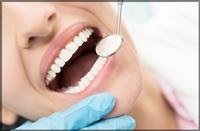

Dental implants are used to replace missing or damaged teeth. Learn with us the most important types of dental implants of different types and shapes. Sometimes it happens that we lose one or more teeth for various reasons, and whatever that is, tooth loss is a serious problem that can exacerbate and cause us major health problems in the future, and to solve this problem, artificial teeth are resorted to as an native to the natural one, so we provide you with the complete medical guide about Dental installation of different types and shapes:
What is the dental process?
It is the installation of artificial teeth that we perform to replace those that have been lost to the patient, or the broken teeth are restored and their roots are treated.
For example, fixed dentures are used if the number of extracted teeth is small (one or two), but if the number of dentures is large (3 or more), or the molars are removed to the end of the jaw, movable dentures are used.
Types of dentures
There are two types of dental combinations that you should know about
1. Fixed fixtures
They are the structures that are installed in the mouth and can only be removed with the help of a doctor, and they consist of several forms:
Crowns: They are dressing or wrapping the damaged tooth or molar with the aim of restoring it and ensuring that it lasts as long as possible.
Fixed bridges: It is a compensation for the loss of one or more molars by attaching the bridge with special medical materials and fixing it in the jaw.
2. Moving fixtures
These are the assemblies that the patient can remove from his mouth and move. They consist of a metal base and artificial gums are placed on top of it. They are used to compensate for the deficiency in all or part of the teeth. Their stability depends on their adhesion to the gums and needs special attention. Among the most important types of movable artificial teeth are the following:
Movable partial dentures: They are made of acryl, where the doctor makes a layout of the desired shape to deliver it to the laboratory in the sizes to be implemented in it, and it is used to compensate for the loss of some jaw teeth, and it is characterized by its ability to conduct heat and cold.
Full movable dentures: The aim of their use is to protect the jawbones from dissolving with time, and they are used to replace a complete tooth jaw or both jaws together, as there is a complete set of the lower and upper jaws.
Benefits of installing artificial teeth
There are many benefits and advantages that may be included in the process of installing artificial teeth:
1. Benefits of fixed fixtures
Here are the most important advantages of fixed installations
Improves smile and facial features.
It helps the patient regain self-confidence and a sense of comfort and stability.
Preserves the remaining natural teeth in the mouth by preventing them from negative movement.
It improves the patient''s ability to chew food.
2. Benefits of moving fixtures
As for the advantages of installing mobile fixtures, they are as follows
An ideal solution to replace missing teeth for the elderly or those with weak gums or osteoporosis.
Resorting to it when the teeth adjacent to the tooth to be replaced are completely worn out and unreliable.
No need for anesthesia and is suitable in some pathological conditions that do not accept anesthesia.
Damage to the installation of artificial teeth
Despite the benefits of installing artificial teeth, there are some harms and side effects resulting from their use, which are as follows:
1. Damage to fixed fixtures
There are some temporary side effects associated with fixed implants that last for several days:
Difficulty speaking, speaking, and swallowing food.
An increase in saliva secretion in the period following the installation of teeth.
Increased sensitivity in fixed teeth, especially when consuming hot or cold drinks.
There are also some future complications of these fixed fixtures, which are as follows
Fixed teeth differ in appearance, color, and luster from real teeth, especially those covered with porcelain.
Pain in the jaw if the fixed tooth has any problems, fractures, or displacement.
The installation process precedes the complete removal of the missing tooth nerve.
The great need for care and attention by brushing the teeth at least after each meal and before going to sleep, and reducing the use of colored foods, tea and coffee.
Visit the doctor periodically to detect the strength of the teeth and perform their work properly.
2. Damage to moving installations
Learn about the most important harms of this type of dentures
It negatively affects the psyche of patients, as it indicates advanced age.
The difficulty of its users adapting to its presence in the mouth, as most patients complain of its heavyness and large size.
Feeling embarrassed by others, as it can come out of the mouth and fall to the ground while talking or eating.
Dental precautions
Which consists of each of the following
Tips for fixed installations
It is necessary to take care of fixed fixtures to keep them usable, by applying the following steps:
Avoid chewing on hard foods, such as: ice cubes, pistachio shells and hazelnuts.
not opening canned food Because it may cause damage to the bridge or the teeth that are installed on the bridge.
Maintaining its cleanliness by using a toothbrush and toothpaste at least twice a day, so that the teeth and gums that are installed on the bridge remain intact.
The need to pay periodic visits to the dentist to help early detection of gingivitis or tooth decay, in addition to the need to see your dentist when you notice any pain or abnormality.
There are also some conditions for fixing fixed teeth, including
The patient should have a good general health condition.
Patients have healthy gums and adequate bone.
The patient should not suffer from diabetes or heart disease.
Tips for moving installations
Here are the most important tips and instructions for caring for casts
Use a special brush and paste to clean the compositions, and every week the composition should be soaked for seven or eight hours in a medical solution.
Clean the formula, taking care that it is on a sink full of water, so if it falls from your hand and falls into the water, do not break it.
Put the dental formula in a glass of water to protect it from drying out, which can lead to infections, before going to sleep.
Clean the gums and the roof of the mouth with a soft brush to improve blood circulation in the mouth.