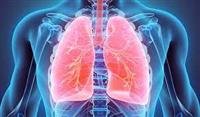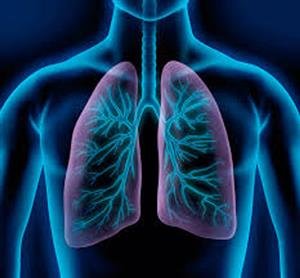
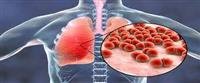
Chronic obstructive pulmonary disease is a general name for a group of widespread diseases that are represented by obstruction in the large or small airways, and the severity of obstruction and the pathological effects resulting from it usually increase as a result of inflammation in the bronchial wall and lung tissue.
Within the definition of obstructive pulmonary diseases, several diseases are included, such as: chronic bronchitis, emphysema, and other diseases such as chronic, untreatable asthma.
Although the data indicate that about 20% of smokers may be infected with this disease, we do not have any mechanism that enables us to determine the identity of smokers included in the risk group in advance, although smoking cessation reduces the speed and pace of disease progression, but it is unable to Repair actual damage.
Symptoms of chronic obstructive pulmonary disease
Symptoms of COPD often don''t appear until significant lung damage has occurred, and they usually get worse over time, especially if exposure to smoking continues.
COPD signs and symptoms may include
Shortness of breath, especially during physical activities.
beeps.
sadness.
A chronic cough that may produce mucus that may be clear, white, yellow, or greenish.
Frequent respiratory infections.
lack of energy
Unintentional weight loss.
Swelling in the ankles, feet, or legs.
People with COPD are also more likely to experience episodes called exacerbations, during which symptoms become worse than usual and last for at least several days.
Causes and risk factors for chronic obstructive pulmonary disease
The following is an explanation of the most prominent causes and risk factors for chronic obstructive pulmonary disease:
1. Causes of chronic obstructive pulmonary disease
The most prominent reasons include the following
Smoking
Tobacco smoke irritates the airways, causing inflammation that narrows the airways. Smoke also damages the cilia so that they can no longer do their job of removing mucus and trapped particles from the airways.
AAT - alpha-1 antitrypsin deficiency
An uncommon genetic disorder that can lead to emphysema, alpha-1 antitrypsin is the enzyme that helps protect the lungs from the harmful effects of inflammation.
When there is a deficiency of alpha-1 antitrypsin, you do not produce enough of the enzyme So your lungs are more likely to be damaged by exposure to irritants, such as smoke and dust.
2. COPD risk factors
The most prominent risk factors include
Long-term exposure to irritants
The most prominent irritants include: passive smoking, air pollution, chemical fumes, and dust from the environment or workplace.
Age
Most people with COPD are at least 40 years old when their symptoms begin.
heredity
This includes alpha-1 antitrypsin deficiency, which is also an inherited condition. Smokers who develop COPD are more likely to develop it if they have a family history of COPD.
Asthma crisis
People with asthma are at greater risk of developing COPD than people without asthma, but most people with asthma will not develop COPD.
Complications of chronic obstructive pulmonary disease
The most prominent complications include the following
1. Respiratory infections
People with chronic obstructive pulmonary disease are more likely to get colds, flu and pneumonia, as any respiratory infection can make breathing more difficult and can cause further damage to lung tissue.
2. Heart problems
For reasons not fully understood, COPD can increase the risk of heart disease, including a heart attack.
3. Lung cancer
People with chronic obstructive pulmonary disease have a higher risk of developing lung cancer.
4. High blood pressure in the arteries of the lung
COPD may cause high blood pressure in the arteries that carry blood to your lungs.
5. Depression
Difficulty breathing can keep you from doing activities you enjoy, and dealing with a serious illness can contribute to depression.
Diagnosis of chronic obstructive pulmonary disease
The most prominent methods of diagnosis include the following
1. Spirometry
A test called spirometry can help show how well your lungs are working. You''ll be asked to breathe into a machine called a spirometer after you breathe in a medicine called a bronchodilator, which helps widen your airway.
The readings are compared to normal results for your age which can show if there is an airway obstruction.
2. Chest X-ray
A chest X-ray can be used to look for problems in the lungs that can cause symptoms similar to chronic obstructive pulmonary disease. Problems that can be seen on an X-ray include chest infections and lung cancer, although not always.
3. Blood tests
A blood test can show other conditions that can cause symptoms similar to COPD, such as a low iron level and a high concentration of red blood cells in the blood.
Sometimes a blood test may also be done to see if you have a deficiency of the enzyme alpha-1 antitrypsin, as this is a rare genetic problem that increases your risk of COPD.
4. Other tests
These tests may include
Electrocardiogram: This is a test that measures the electrical activity of the heart.
Echocardiogram: This is an ultrasound examination of the heart.
Peak flow test: A breathing test that measures the speed at which you can expel air from your lungs, which may help rule out asthma.
Blood oxygen test: A wedge-like device attached to your finger measures the level of oxygen in your blood.
CT scan: A detailed scan that can help identify any problems in your lungs.
Taking a sputum sample: A sputum sample can be tested to check for signs of a chest infection.
Chronic obstructive pulmonary disease treatment
The most prominent methods of treatment include the following
1. Pharmacotherapy
It may include the following
Bronchodilators: Inhaling these medications helps open your airways.
Corticosteroids: These medications reduce airway inflammation. You can inhale them or take them as tablets.
Combination inhalers: These inhalers pair a steroid with a bronchodilator.
Antibiotics: Your doctor may prescribe these medications to fight bacterial infections.
Flu or pneumonia vaccines: These vaccines reduce the risk of contracting these diseases.
Pulmonary Rehabilitation: This program includes exercise, disease management, and counseling to help you stay as healthy and active as possible.
Oxygen therapy: You may need this to reduce shortness of breath, protect your organs, and improve your quality of life.
2. Surgical treatment
In severe cases of COPD, your doctor may suggest
Lung volume reduction surgery: in which diseased lung tissue is removed.
Lung transplant: replaces a diseased lung with a healthy lung.
Prevention of chronic obstructive pulmonary disease
Here are some steps you can take to help prevent complications associated with COPD, which include:
Quit smoking to help reduce your risk of heart disease and lung cancer.
Get an annual flu shot and a regular pneumonia vaccination to reduce or prevent certain infections.
See your doctor if you feel sad, helpless, or think you might be depressed.