important information
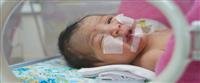
Have you ever heard of water on the lungs of newborns? Here is the most important information about water on the lung in newborns and its causes. Let''s learn about the most important information about water on the lung in newborns as follows: Water on the lung in newborns Water on the lung in newborns is a disorder in the psychological system that affects newborns during the first hours after birth.
Where the newborn suffers from rapid breathing, which is not a serious condition, but the newborn is monitored in the hospital until recovery, and in most cases the recovery occurs automatically within 3 days or less.
In other cases, water may occur on the lung in newborns, days to weeks after birth, and this is due to various diseases that must be treated.
Causes of water on the lung in newborns
The fetus in the mother''s womb does not depend on the lungs in the breathing process, but rather obtains oxygen from the mother''s blood through the placenta, and therefore the lungs are naturally filled with amniotic fluid, and as the birth date approaches, the lungs automatically begin to gradually get rid of the amniotic fluid.
With natural childbirth, the lungs get rid of more fluid, and the breathing process takes place when the fetus is expelled, and the lungs begin to receive oxygen and excrete the remaining amniotic fluid.
But in cases of water on the lungs in newborns resulting from the amniotic fluid, the problem lies in the remaining amount of amniotic fluid in the lungs or a slowdown in the disposal of the fluid after birth, so the breathing process is affected, and oxygen is reduced to the cells of the body.
In the case of water on the lungs in newborns that is not caused by the accumulation of amniotic fluid, the reasons may include the following:
Asphyxia during childbirth.
heart failure.
Hyalinoid or gelatinous membrane disease (HMD).
open ductus arteriosus.
Bacterial pneumonia.
Bronchopulmonary dysplasia.
Factors that increase the risk of water on the lung in newborns
Here are some of the factors that increase the problem of water on the lung in newborns resulting from the accumulation of amniotic fluid:
Caesarean section: This is because the fetus is not exposed to the hormonal changes that occur during natural childbirth, as these changes help in getting rid of the amniotic fluid in the lung.
Premature birth: Premature birth leads to the birth of a smaller-than-normal fetus, with incomplete lung development.
Infection of the mother with diseases: that the mother has diabetes or asthma.
Symptoms of water on the lung in newborns
Symptoms of water in the lung resulting from the accumulation of amniotic fluid in newborns include the following:
Tachypnea, with a breathing rate of more than 60 breaths per second.
Annoying voice.
Enlargement of the nostrils.
The thoracic cage protrudes clearly when inhaling.
Blueness of the skin, especially around the mouth and nose.
Diagnosis of water on the lung in newborns
Water on the lung in newborns is diagnosed in several ways, including the following
Clinical examination and symptom diagnosis.
X-ray radiography to monitor the lungs and the amount of fluid.
Complete blood tests to rule out the presence of inflammation and infection.
Treatment of water on the lung in newborns
As mentioned, water on the lung resulting from the presence of amniotic fluid often disappears on its own, and the newborn remains under observation. Some simple treatments are used that include the following:
1. Oxygen
The newborn is supplied with oxygen via an oxygen mask or nasal tube.
2. Positive Airway Pressure (CPAP)
This is done using a respirator that pumps air into the lungs and helps with breathing.
3. Good nutrition
The child is provided with the necessary fluids intravenously to keep the body hydrated and prevent hypoglycemia.
Milk is also supplied to the baby through nasal or oral tubes.
In the event that the cause of water on the lung in newborns is otherwise, the treatment depends on the cause of fluid accumulation to solve the problem.