Polyglandular deficiency syndromes are hereditary disorders in which several endocrine glands malfunction simultaneously or sequentially.
Endocrine glands are organs that secrete one or more specific hormones. The actual cause of the endocrine gland malfunctioning may be related to an autoimmune reaction in which the body''s immune defenses mistakenly attack the body’s own cells. Genetic factors and environmental triggers (such as viral infections, dietary factors, or taking certain drugs) may be involved. Polyglandular deficiency syndromes are classified into three types.
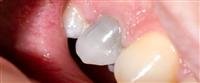
Type 1: Type 1 is also called autoimmune polyendocrinopathy candidiasis ectodermal dystrophy [APECED]). In this type, which develops in children, the parathyroid and adrenal glands can be underactive. Affected people may be prone to chronic yeast infections (called chronic mucocutaneous candidiasis) as well. Yeast infections may be the first sign of a problem, particularly in children younger than 5 years. People may have other autoimmune disorders, including thyroid disease, diabetes, autoimmune hepatitis, and certain digestive system disorders that cause difficulty absorbing nutrients (malabsorption).
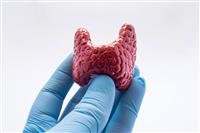
Type 2: Type 2 is also called Schmidt syndrome. In this type, which develops in adults (particularly women), the adrenal and thyroid glands are underactive, although the thyroid gland sometimes becomes overactive. People with type 2 polyglandular deficiency may also develop diabetes.
Type 3: This type is very similar to type 2, except that the adrenal glands remain normal.
In people with polyglandular deficiency syndromes, symptoms depend on which endocrine organs are affected. The hormone deficiencies do not always appear at the same time and may require a period of years to develop. The deficiencies do not occur in a particular sequence, and not every person will have all of the deficiencies associated with each type.