Meningioma affects the membranes that surround the brain and spinal cord, and it accounts for about 20% of primary brain tumors.
Non-malignant meningiomas account for about 90% of all cases, but they are sometimes more aggressive, and tend to reappear in the same place again. These cases are called atypical or even malignant cases.
One of the most common locations for these tumors to occur is in the areas adjacent to the sagittal plane (Parasagittal) in the anatomy, in addition to the base of the skull, and the posterior part of it, and there are also meningiomas that may affect the spine.
The most common benign meningiomas are characterized by their slow growth, so they can reach large sizes before any obvious symptoms appear, and the disorders are the result of pressure on the brain tissues close to the tumor.
Meningioma symptoms
Clinical symptoms of meningiomas depend on where they appear.
Common symptoms are
Headache.
convulsions
body weakness.
personality changes
confusion.
visual disturbances
Increased intracranial pressure.
Causes and risk factors for meningioma
It''s not known why the cells multiply abnormally and form a meningioma.
risk factors
Among the most important risk factors that increase the chances of contracting the disease
1. Age
Meningioma appears at all ages, but the highest prevalence is in the sixth and seventh years of life.
2. Sex
The prevalence of meningioma in women compared to men is about 3 affected women for every 2 men.
3. The genetic factor
In most cases, meningioma appears randomly, but there is a high prevalence of meningiomas of genetic origin, such as: Neurofibromatosis 2.
4. Exposure to radiation
Injury may appear after radiation therapy to the skull and scalp.
Complications of meningioma
The most common complications of meningioma are
Inability to concentrate.
memory loss.
epileptic seizures
Language problems.
personality changes
Diagnosis of meningioma
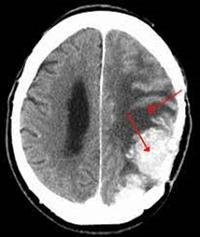
It is difficult to diagnose a meningioma as it grows slowly, but the doctor may request imaging of the brain to see the most prominent details inside it, and the most prominent imaging tests conducted are:
CT scan.
MRI examination.
Meningioma treatment
The treatment is done as follows
1. Surgical treatment
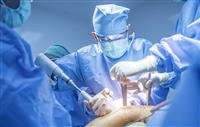
The standard treatment for most meningiomas is surgical removal.
The difficulty of surgery is related to the location of the tumor and the ability to remove it completely without damaging the vital parts adjacent to it and close to it.
2. Observation of the tumor
Another treatment option is observation only. This option is appropriate for small tumors, when there is no abnormality, as well as if the operation poses a risk to the patient who suffers from other diseases, or if the tumor cannot be removed effectively.
3. Radiotherapy
Another treatment option is radiation therapy, whether this treatment is by conventional radiation (conventional), or surgical radiation, which is used to treat tumors in areas that are difficult to reach surgically.
Sometimes the treatment combines the removal of parts of the tumor that do not pose a threat to the patient''s performance, and radiation on areas that are difficult to remove after surgery.
If the meningioma is benign and successfully removed, in most cases this guarantees a good chance of cure and a positive prognosis.
But if the meningioma is malignant, the chances of it reappearing in the same place are very high. In such cases, it is followed to use radiotherapy after surgery in order to prevent the recurrence of the meningioma.
There is a high percentage of patients who received radiation therapy to the scalp in the 40s and 50s of the last century, due to infection with a fungus called ringworm. In many cases, this radiotherapy led to the emergence of single or multiple meningiomas years later. Many receive radiation.
Meningioma prevention
In fact, there is no proven way to prevent meningioma.