

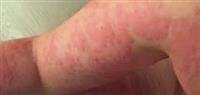
What is skin allergy
Skin allergy occurs when the skin becomes irritated as a result of the immune system''s reaction to something harmless, such as certain foods, pollen, and some medications, which is called an allergic reaction, which can cause many Symptoms such as rash, itching, redness, and swelling.
The substance that causes an allergic reaction is called an allergen, which is often not harmful to the bodies of most people, but it results in an allergic reaction in the body of a specific person, as any substance can cause an allergic reaction in the body of any person. A person, if his immune system causes a certain type of allergic reaction, as his immune system considers this substance as a foreign body harmful to the body and begins to attack it, and allergy symptoms appear.
Types of skin allergy
Allergic dermatitis
Atopic dermatitis, including eczema, is the most common allergic skin condition, especially in children, as this condition affects one in five infants, while it affects only one in fifty adults. In it, patches of inflamed skin appear and blood comes out when scratched, and the skin becomes dry and more susceptible to irritation and inflammation due to many environmental factors. Some people with eczema may also have a food allergy, which can make eczema symptoms worse.
In about half of the patients with severe Atopic Dermatitis, this disease is due to some genetic factors as a result of the inheritance of a defective gene in their skin. Unlike hives, the itching of eczema is not caused solely by histamines, so antihistamines may not help relieve symptoms. Eczema is often associated with asthma, allergic rhinitis, or a food allergy.
Allergic contact dermatitis
Allergic contact dermatitis occurs as a result of skin contact with an allergen, in which patches of skin appear red and itchy immediately after exposure to the allergen. For example, if you are allergic to nickel and your skin comes into contact with jewelry made of even a trace amount of nickel, it may turn red, scaly, itchy or swollen skin at the point of contact.
Airborne contact dermatitis
A person may also have an allergic reaction to something in the air that settles on their skin, such as pollen, fiber, or cigarette smoke. This is called airborne contact dermatitis, and it occurs most often on the eyelids, head, and neck.
urticaria
Hives is an inflammation of the skin that occurs when the immune system causes the release of histamine, which causes small blood vessels to leak, which in turn leads to swelling of the skin. Swelling in the deeper layers of the skin is called angioedema. Raised Welts may appear on the surface of the skin, which are red and itchy and have different sizes.
There are two types of urticaria, acute urticaria and chronic urticaria. Sometimes acute hives occur after eating a certain food or when in contact with a certain trigger, and it can also occur due to other factors such as heat, exercise, medications, foods, insect bites, or infection, while hives rarely occur. It is chronic due to specific triggers, so allergy tests are not useful in this case. Chronic urticaria can last for months or even years.
angioedema
Angioedema occurs in the deeper layers of the skin, is often seen with urticaria, and usually occurs in soft tissues such as the eyelids, mouth, or genitals. Angioedema is called "acute" if it lasts only for a short period of time, such as minutes to hours. Acute angioedema is usually caused by an allergic reaction to drugs or foods, while chronic, recurrent angioedema lasts for a long period of time, and usually has no identifiable cause.
Hereditary angioedema
Hereditary angioedema is a rare but serious genetic condition that involves swelling of many different parts of the body including the hands, feet, face, and airways. Usually, this condition does not respond to treatment with antihistamines or adrenaline, so it is important to see a specialist.


