
factors
Have you ever heard that someone had a heart catheterization? Do you know what that means? Does it have any benefits or risks? The answers are in the article.
Cardiac catheterization: benefits and risk factors
In the following, let us know the most important information and details about Cardiac catheterization:
What does cardiac catheterization mean?
Cardiac catheterization is a procedure used by cardiologists to evaluate heart function and diagnose any heart disease.
How is cardiac catheterization performed?
During the catheter examination, the following steps are taken by the doctor
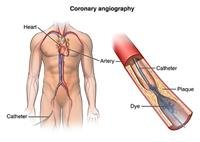
Inserting a long, thin tube into a blood vessel, whether in the groin, neck, or arm.
Diagnosing the condition of blood vessels and the heart when this tube makes its way through the blood vessel until it reaches the heart.
A medical dye can be injected through this tube, which allows the doctor to see the blood vessels and ventricles of the heart more accurately.
Cardiac catheterization uses
It is possible for the doctor to ask the person to undergo a cardiac catheterization examination in order to diagnose a problem in the heart, or to detect the cause of the chest pain that is felt.
This examination can detect several health problems, the most important of which are
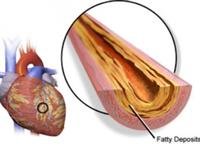
Blockage of blood vessels: This condition, if detected early, is easy to treat, but if it is not detected, it may lead to complications and clots that lead to death.
Heart valve problems: This problem is treated here by repairing the heart valve if possible, or replacing it with an artificial valve in advanced cases.
Measuring the amount of oxygen that reaches the heart: This measurement is very important for diagnosing many diseases, including: asthma and chronic obstructive pulmonary disease.
Heart tissue biopsy: This procedure is done to check the integrity of the heart tissue.
Benefits of undergoing cardiac catheterization
Despite the large amount of burden that the word catheter carries, undergoing it is linked to a number of benefits, as cardiac catheterization helps the doctor diagnose any heart problems, and may involve major health risks, such as: heart attack and stroke.
Where it is possible to protect yourself from these serious diseases in the event that problems are diagnosed early by undergoing cardiac catheterization.
Risk factors for cardiac catheterization
Any procedure involving the heart is associated with a number of health risks, but in general, cardiac catheterization is not associated with any significant risks.
Risk factors associated with cardiac catheterization are rare, and the risk increases if you have diabetes or kidney disease or are over the age of 75.
These factors include all of the following
An allergic reaction to a substance used in cardiac catheterization.
Bleeding, infection and bruising at the tube entry site.
Blood clots may increase the risk of heart attack and stroke.
The blood vessel through which the catheter was ed is damaged.
Arrhythmia.
Reduction of Blood pressure.
Heart tissue rupture.
What is expected after cardiac catheterization?
In general, cardiac catheterization is a quick procedure that does not take more than one hour, but the person needs several hours to regain his activity and wellness.
Once the catheterization is finished, the person will be moved to a hospital room to rest, to reduce the risk of bleeding and allow room for the blood vessel into which the tube was ed to recover.
Usually, the person can go home the same day after the catheterization procedure, with an emphasis on resting and not making any effort.