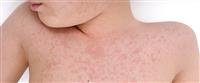

information about it
Is chest sensitivity hereditary or acquired? Find out all the information you may want to know about this issue here.
All that concerns you about chest sensitivity in the following lines
What is meant by chest sensitivity?
Is the immune system attacking foreign bodies, such as: dust, dirt, or even pet dander, and the body responds to that with swelling and inflammation as a result of histamine secretion.
Small objects that can easily reach the lung due to their small size usually cause this allergy, including:
Pollen grains that travel with the air between trees and grasses.
Cockroach excrement.
Dust and dirt.
Pet dander and dander.
air pollution.
Chemical fumes.
smoking.
Perfumes and air fresheners.
Exercising in cold weather can also be a trigger.
What are the symptoms of infection?
Most people who suffer from allergic rhinitis will experience one or more of these symptoms:
coughing
tightness in the chest
rapid breathing
shortness of breath.
Wheezing in the chest.
General fatigue and sometimes fever.
Chills and chills.
the presence of phlegm
What are the main factors that increase the risk of infection?
There are groups that are more susceptible to infection than others, but what also increases the risk of the condition for any group is smoking, and we will mention some factors that make some groups more susceptible to infection as follows:
Work in a place that contains chemicals.
Age, the incidence may increase with age.
Gender, as the infection rate is higher in females than in males.
Living in a place with high levels of pollution.
How is the diagnosis made?
The doctor may ask you several questions, such as
Do you smoke?
Do you sit with smokers?
what is the nature of you job?
Do you have phlegm, and if any, what is its color?
Then the doctor moves on to a physical diagnosis, such as
Taking a sample of saliva to check whether there is an infection or not.
Take a chest x-ray to check whether there is pneumonia or not.
Examination of lung function to determine the capacity of the lungs to accommodate the incoming air.
What is the method of treatment?
There are several methods that the doctor follows to treat chest allergy, and we mention some of them as follows:
Bronchodilators: These are usually in the form of sprays that dilate the bronchial tubes, increasing your ability to breathe.
Steroids: These are medications to reduce inflammation of the bronchi and airways, usually in the form of a spray.
Giving oxygen: After examining your oxygen level at rest, and after exercising, the doctor determines whether you need oxygen or not, through valves that deliver oxygen from the nose to the lung.
Follow a healthy program to restore breathing as it was: This includes all of the following:
Do some exercises to improve the way you breathe.
Follow a healthy diet.
Vaccination against allergens such as grass and olives.
Taking annual vaccinations: Chest allergies usually cause lung infections, so annual vaccinations must be taken to reduce such infections.