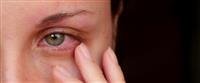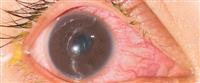
The iris is one of the main parts of the eye that is susceptible to infections. Uveitis occurs due to multiple reasons. In this article, let''s learn about the most important thing to know about iritis.
Here is the most important information about iritis
What is uveitis?
Uveitis is one of the types of infections that affect the eye, as the iris, which is the colored part of the eye, is known as one of the parts of the middle layer of the eye known as the uvea.
The iris is located in the anterior part of it, so iritis is also called anterior uveitis, and it is worth noting that the iris consists of connective tissue and muscle.
It helps to see more clearly by responding to light by expanding or contracting.
Symptoms and signs of uveitis
There are many symptoms associated with iritis, as iritis is rapidly occurring, and in addition to that, iritis often appears in one eye, and rarely affects both eyes.
It should be noted that the symptoms of uveitis include the following
Severe eye pain when exposed to bright light.
Low vision or cloudy vision.
Pain in the eye and eyebrow area.
Redness, especially around the iris.
Change in the shape or size of the pupil.
headache.
Causes of uveitis
Uveitis occurs for unknown reasons, and in these cases the inflammation often appears only once.
But many causes may contribute to the occurrence of uveitis, and most of the time the inflammation occurs repeatedly, as the causes of uveitis include the following:
Eye injury, as eye injury leads to inflammation of the iris of the eye, and a previous history of eye infection is one of the causes of late-onset uveitis.
Inflammation following eye surgeries.
Infection, such as: Tuberculosis virus, Herpes virus, and others.
Sarcoidosis.
Adamantiades-Behcet''s disease.
Use of certain medications, such as medications used to treat glaucoma.
Autoimmune diseases, such as lupus and rheumatoid arthritis.
Risk factors for uveitis
There are many factors that increase the risk of uveitis, as these factors include the following:
Smoking. Smoking increases the risk of uveitis.
Having a sexually transmitted infection, such as: AIDS.
Immunological disorders or a weakened immune system.
Genetic changes.
Diagnosis of uveitis
Uveitis is diagnosed by an ophthalmologist, who performs a complete eye examination, and this examination includes the following:
1. External examination of the eye
The doctor notes the appearance of symptoms and signs associated with uveitis by using a lighted instrument, where he can notice the appearance of redness, secretions, or other symptoms.
2. Slit-lamp examination
A microscope with light is used to search for any of the symptoms of iritis, and for easy diagnosis by this microscope, the patient is given certain eye s to dilate the pupil of the eye.
3. Examination of visual acuity
Some standard tests, such as: the eye chart and others, are used to check the patient''s visual acuity when iritis is suspected.
Complications of uveitis
Many complications may occur as a result of uveitis, including the following
Permanent vision loss, as it occurs in multiple cases, such as: damage to the optic nerve caused by high eye pressure.
Increased eye pressure known as glaucoma.
Cataracts, which can occur as a result of uveitis or the use of steroids as a treatment.
Band keratopathy.
Uveitis treatment
It is necessary to immediately begin treatment of uveitis when the diagnosis is confirmed, and may require follow-up of more than one visit to the doctor to finish treatment.
It is worth noting that there are some of the medical treatments used for uveitis, which include the following:
1. Steroids
Steroids are used to reduce inflammation, so the doctor prescribes steroid eye s, and if the patient does not respond within a week of starting treatment, he can prescribe pills or needles.
2. Eye s
Eye s are used to treat uveitis, to help dilate the pupil and prevent spasms.
3. Antibiotics or viral
In cases of bacterial infection, antibiotics and antivirals are used in the event of viral infections in the iris.
4. Immunosuppressants
Immunosuppressants may be used when uveitis is caused by an autoimmune disorder.
5. Anticholinergic drugs
Anticholinergics reduce pain and light sensitivity by blocking nerve signals for each.
Ways to prevent uveitis
There are many methods used to prevent uveitis, as these methods include the following
Avoid practices that increase the risk of uveitis, such as: smoking.
Protect the eye from injuries.
Reducing eye exposure to the risk of infection.
Follow healthy diets rich in vitamins, such as: vitamin C.
Stress-free exercise, such as: yoga.