
The process of dilating the ureter is performed in children to treat cases of congenital ureteral stenosis, so how is this operation performed?
The term ureteral dilatation in children refers to a set of procedures to treat ureteral obstruction or stenosis. To learn more about what is meant by ureteral dilatation in children, read this article.
What are the ways to expand the ureter in children?
Young patients who show signs of enlarged kidneys undergo frequent ultrasound examinations, and the doctor often resorts to careful monitoring, looking for signs of poor urine drainage or incomplete kidney development.
Sometimes a nuclear kidney scan is used where a radioactive substance is injected into the bloodstream, which is absorbed by the kidneys and thus helps in evaluating kidney function.
Sometimes a sudden improvement can occur in cases of ureteral obstruction, but if the child''s urine flow does not improve, then one of the following pediatric ureteral dilatation options should be performed:
1. Open Pyeloplasty
Here are the details about the process of expanding the ureter in children of this type as follows:
Open pyeloplasty involves removing a ureteral obstruction by conventional surgery by making an incision about 5 to 7.5 cm long.
The ureter is properly reconnected to the renal pelvis, creating a wider opening. This helps in efficient drainage of urine, relieving symptoms and reducing the risk of infection.
The patient is under general anesthesia during the surgery and usually stays in the hospital for two days after the surgery.
The success rate of open pyeloplasty is estimated at 95%.
2. Laparoscopic pyeloplasty
This pediatric ureteral dilatation procedure is minimally invasive and achieves the same results as open pyeloplasty, as it:
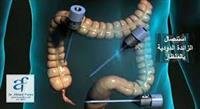
It includes special surgical tools ed through a small incision in the abdomen with a lighted camera, providing the surgeon with a clear view of the surgical area.
Robotic laparoscopic pyeloplasty uses a robotic surgical system controlled by the surgeon.
Laparoscopic surgeries generally cause fewer complications, including bleeding, scarring, infection, and blood clots, and have a faster recovery time.
3. Endopyelotomy
This ureteral dilatation procedure is sometimes used in children, in which a wire is ed through the ureteral tube to cut the ureteral obstruction or widen the narrowed opening from the inside. This procedure may need to be repeated.
4. Other procedures for ureteral dilatation in children
In addition to the previous surgical procedures, cases of ureteral stenosis can be treated in one of the following ways:
Percutaneous nephrostomy, by means of a needle ed from the back into the kidney to drain urine.
A ureteral stent is used to drain urine from the kidneys into the bladder, bypassing the site of the narrowing.
The main differences between these pediatric ureteroplasty options are the recovery time after surgery, the number and size of incisions used in the procedure, and your doctor determines the type of procedure and the best surgical approach to treat your condition.
What are the risks of ureteral expansion in children?
Risks of these surgical procedures include
Anesthesia problems.
blood loss or bleeding
The appearance of a blood clot or thrombus.
Infection.
pain.
scarring
Regardless of the surgical intervention, long-term outcomes are improved through a seamless transition of care from a neonatologist to a pediatric and adult nephrologist and urologist.
What causes ureteral obstruction in children?
Normally, the ureter pushes urine toward the bladder in a wave-like motion called peristalsis. However, ureteral obstruction can be caused by:
birth defects
Scarring.
External pressure on the ureter.