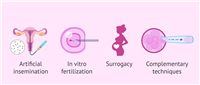
In vitro fertilization or IVF is the best treatment for certain types of fertility problems. However, it can fail and does not always result in pregnancy.
If you''re about to undergo an in vitro fertilization session, find out as much as you can about the treatment, and learn about expectations that can make the in vitro fertilization procedure go smoother.
What is in vitro fertilization?
In a natural pregnancy in a married couple, the man’s sperm meets the woman’s egg in the woman’s fallopian tubes, which are the two tubes that connect the ovaries to the uterus. Where one sperm penetrates the egg and fertilizes it.
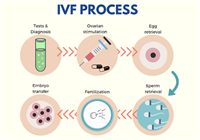
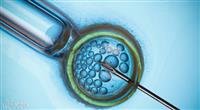
As for in vitro fertilization, this fertilization process takes place outside the woman’s body, by removing the eggs outside the uterus through surgical intervention, then fertilizing them with sperm inside a laboratory, and the sperm is taken as a sample.
The fertilized egg is then called the embryo, which is implanted in the woman’s uterus through surgical intervention.
Typically, the first session of the in vitro fertilization process takes between 4-7 weeks.
What are the expected results from in vitro fertilization treatment?
In vitro fertilization always fails and pregnancy does not occur. In the United Kingdom, in vitro fertilization is successful in producing a newborn at a rate ranging between 20 to 25%, and in general, young women have the best chance of succeeding in this process. While success rates decrease for women over the age of forty.
In vitro fertilization can be a physically and mentally devastating process, with some men and women developing emotional or mental health problems such as anxiety and depression during or after in vitro fertilization.
If you are undergoing in vitro fertilization, inquire about counseling to help with the emotional impact of the procedure and its results.
Women''s fertility: Stop all the myths!
Risks of in vitro fertilization
There are health risks resulting from the in vitro fertilization process, including
1- Multiple pregnancy
There is an increased chance of multiple pregnancy with in vitro fertilization. Multiple pregnancies pose health risks to both the mother and the children, because twins and one of the triplets are more likely to be born prematurely, as well as to suffer from low birth weight.
2- Ovarian hyperstimulation syndrome
Drugs used to stimulate the ovaries during in vitro fertilization may cause ovarian hyperstimulation syndrome.
When exposed to ovarian hyperstimulation syndrome, the ovaries become larger, which increases the severity of pain inside the abdominal cavity. The most severe of these cases can lead to respiratory failure, urinary retention in the abdominal cavity, as well as the formation of blood clots.
3- Infectious diseases
When eggs are removed from a woman''s body, a fine needle is passed into the vagina, past the ovaries. The body may be exposed to the risk of contracting diseases transmitted to the body, although antibiotic and surgical health experts confirm that these diseases are rare.