Acid Reflux in Children and Teens
Gastroesophageal reflux disease (GERD) isn’t just an adult disease. Children and adolescents can also suffer from this uncomfortable digestive disorder, referred to as "pediatric GERD." According to GIKids, nearly 10 percent of teens and preteens in the United States are affected by GERD.
However, GERD can be difficult to diagnose in children. How can parents tell the difference between a little indigestion or the flu and full-blown GERD? How is the condition treated in young people?
What Is Pediatric GERD?
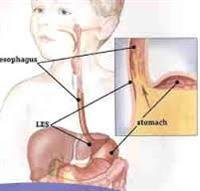
GERD occurs when stomach acid backs up into the tube that connects the mouth to the stomach (esophagus) during or after a meal. The valve at the bottom of the esophagus is responsible for opening to let food down and closing to stop acid from coming up. In GERD, it opens or closes at the wrong time. When a baby spits up or vomits, they’re likely displaying the symptoms of GERD, which is considered common in infants.
GERD is a less common, more serious form of “spitting up.” Children and adolescents may be diagnosed with GERD if they show symptoms and experience other complications. According to Johns Hopkins Children’s Center, complications include respiratory problems, difficulty gaining weight, and inflammation of the esophagus (esophagitis).
Symptoms of Pediatric GERD
The symptoms of childhood GERD are more serious than the occasional tummy ache or infrequent spitting up. According to the Mayo Clinic, GERD may be present in infants and preschool children if they:
aren’t gaining weight
spitting up forcefully, causing stomach contents to shoot out of his or her mouth (projectile vomiting)
spitting up green or yellow fluid
spitting up blood or a material that looks like coffee grounds
refusing food
have blood in his or her stool
having difficulty breathing
begin vomiting at age 6 months or older
GERD may be present in older children and adolescents if they
have pain or burning in the upper chest (heartburn)
have pain or discomfort swallowing
frequently cough or wheeze or have hoarseness
have excessive belching
have nausea
taste stomach acid in the throat
feel like food gets stuck in their throat
have pain that's worse when lying down
Although less common in children with GERD compared to their adult counterparts, long-term bathing of the esophageal lining with stomach acid can lead to the precancerous condition Barrett’s esophagus, and even cancer of the esophagus if the disease is not effectively controlled.
What Causes Pediatric GERD?
Researchers aren't always exactly sure what causes GERD in young people. According to Cedars-Sinai, there are several factors that may be involved, including:
the angle where the esophagus joins the stomach
how toned the muscles are at the lower end of the esophagus
the length of the esophagus inside the abdomen
a pinching effect of the fibers of the diaphragm, in which they separate to allow the esophagus to pass from the abdomen to the chest
Some children may also have weak valves that are particularly sensitive to certain foods and beverages, or may have some inflammation in the esophagus that is causing the problem.
Treatment
As in adults, treatment for pediatric GERD depends on the severity of the condition. Doctors will almost always advise parents, children, and teens to start with simple lifestyle changes. For example:
eat smaller meals more often, and avoid eating two to three hours before bedtime
lose weight if necessary
avoid spicy foods, high-fat foods, and acidic fruits and vegetables, which can irritate your stomach
avoid carbonated beverages, alcohol, and tobacco smoke
elevate the head during sleep
avoid eating large meals before vigorous activities, sports games, or during times of stress
avoid tight-fitting clothes
If lifestyle remedies don't help the child feel more comfortable, doctors may recommend medications that help reduce the amount of acid the stomach produces. According to the Mayo Clinic, these medications include antacids, histamine-2 blockers that reduce acid in the stomach (Pepcid, Zantac), and proton-pump inhibitors (PPIs) that block acid (Nexium, Prilosec, Prevacid).
There is some debate regarding starting young children on these medications, particularly because it’s not yet known what the long-term effects may be. Parents concerned about these issues may want to more vigorously help their children make lifestyle modifications. Some parents will also try herbal remedies instead, although generally these are not proven effective, nor are their long-term consequences in growing children known.
Surgery is rarely considered for pediatric GERD. This is only for situations in which serious complications, such as esophageal bleeding or ulcers, can’t be otherwise controlled.