A leading urogynaecologist has argued that aggressive marketing from private clinics along with growing media interest, have seen an increasing number of women requesting vaginal cosmetic procedures. However, little medical and scientific evidence exists regarding their effectiveness or safety.
In her presentation at the Royal College of Obstetricians and Gynaecologists (RCOG) 7th International Scientific Meeting in Montreal on Friday, Professor Linda Cardozo, of King's College Hospital, London, discussed ethical considerations, current medical evidence and directions for further research. She also stated that until controlled trials are reported, it remains difficult to appropriately advise women of the risks and benefits of procedures including hymenoplasty, labiaplasty, G-spot amplification and surgery for vaginal laxity.
"Cosmetic vaginal procedures raise a number of serious ethical questions. Women are paying large sums of money for this type of surgery which may improve the appearance of their genitalia but there is no evidence that it improves function.
"A Google search shows over 45 000 references to cosmetic vaginal surgery, yet on medical databases such as PubMed or Medline there are less than 100. Extensive, robust research is needed so that a) doctors can properly advise their patients and b) the right course of treatment is undertaken", she said.
Cardozo stated that the most established vaginal cosmetic procedure is reduction labioplasty, which is requested by women for two main reasons: aesthetic distress/dissatisfaction and/or physical discomfort. The evidence from existing case studies shows that the procedure does have positive aesthetic results but it is unclear whether it resolves feelings of psychological distress or improves sexual functioning.
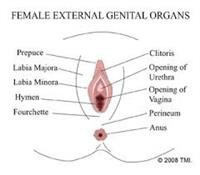
Hymenoplasty was discussed along with the issue that some women request the operation so that they appear as virgins on their wedding night. The question was asked as to whether by performing the procedure, the doctor is enabling misogynist myths about virginity to continue. There are few published studies on hymenoplasty but in the only reported case series, half the women were followed up after the wedding night and all reported a satisfactory outcome.
Prof Cardozo also looked at 'vaginal rejuvenation' - the surgical repair of vaginal laxity, a common issue for women who have had children. There is little evidence that surgery improves symptoms and the best recommendation is for a multidisciplinary team approach combining psychosexual counselling (including partner issues), pelvic floor muscle training and the potential trial of topical oestrogens. Surgery should only proceed if these methods are unsuccessful.
It was suggested that to improve understanding of the risks and benefits of cosmetic vaginal surgery, patient-centred research is needed. Such research should incorporate factors like anxiety, depression, body image, and sexual function and the effect of surgical interventions and psychosexual counselling. Until this evidence is available, surgeons should remain cautious and operate only as a last resort.