What Is Oral Cancer?
Oral cancer is a cancer that develops in the tissues of the mouth or throat.
Most oral cancers develop in the squamous cells found in your mouth, tongue, and lips. Oral cancers are most often discovered after they have spread to the lymph nodes of the neck.
Oral cancers include cancers of the lips, tongue, cheek, floor of the mouth, hard and soft palate, sinuses, and throat. Your first line of defense against oral cancers is your dentist, as he or she is often the first medical provider to notice signs of oral cancer.
According to the National Cancer Institute, more than 40,000 oral cancer cases are diagnosed ever year (NCI). The average age of people diagnosed with oral cancer is over 60 years old.
Risk Factors
Risk Factors for Developing Oral Cancer
There is no question that certain behaviors can increase your chances of developing oral cancer. One of the biggest risk factors is tobacco use—including smoking cigarettes, cigars, pipes, or the use of chewing tobacco.
People who consume large amounts of alcohol and tobacco are at an even greater risk. Three out of every four people with oral cancer have used tobacco, alcohol, or both (NCI).
Other risk factors include
HPV infection (a sexually transmitted virus)
facial sun exposure
a previous diagnosis of oral cancer
Symptoms
What Are Symptoms of Oral Cancer?
The symptoms of oral cancer are similar to other nonthreatening oral problems. However, if you notice any of the below symptoms—especially if you have more than one at a time—you should visit your dentist or physician.
Symptoms of oral cancer include
a sore on your lip or mouth that won’t heal
bleeding from the mouth
loose teeth
painful or difficulty swallowing
trouble wearing dentures
lump in neck
earache that won’t go away
dramatic weight loss
lower lip, face, neck, and chin numbness
white, red and white, or red patches in mouth or lips
Diagnosis
How Is Oral Cancer Diagnosed?
First, your doctor or dentist will give you a physical exam. This includes closely examining the roof and floor of your mouth, back of your throat, tongue, cheeks, and the lymph nodes in your neck. If the doctor cannot determine why you are experiencing your symptoms, you will probably be referred to an ear, nose, and throat specialist.
If any tumors or growths are found, the doctor will either perform a brush or tissue biopsy. A brush biopsy is a painless test that collects cells from the tumor by brushing them onto a slide. A tissue biopsy involves removing a piece of the tissue so it can be checked for cancerous cells.
In addition, your doctor may perform one or more of the following tests
X-rays: to see if cancer cells have spread to the jaw, chest, or lungs
CT scan: with or without dye. The scan will show any tumors in your mouth, throat, neck, lungs, or anywhere else in your body.
MRI: will show if cancer has spread to anywhere else in your body
Endoscopy: a thin, lighted tube is placed down your throat to examine the inner throat, windpipe, and lungs.
PET scan: the doctor will give you an injection of radioactive sugar. The PET scanner will be able to view where the sugar is collecting. Cancer cells will take up or collect sugar faster than normal cells.
Stages
What Are the Stages of Oral Cancer
There are four stages of oral cancer. Stages I and II usually involve a small tumor. In these stages, cancer cells have not spread to the lymph nodes.
Stages III and IV are considered advanced stages of cancer. In these stages, tumors are large and the cancer cells have usually spread to the lymph nodes and/or other parts of the body.
Treatment
How Is Oral Cancer Treated?
Treatment for oral cancer will vary depending on what stage you are in.
Early treatment usually involves surgery to remove the tumor and cancerous lymph nodes. In addition, other tissue around the mouth and neck may be taken out.
Radiation therapy is another option. This involves a doctor aiming radiation at the tumor once or twice a day, five days a week, for up to two to eight weeks depending on your tumor size.
An advanced course of treatment will usually involve a combination of chemotherapy and radiation therapy. Chemotherapy is treatment with drugs that kill cancer cells. The medicine is given to you either orally or through an IV. A number of people get chemotherapy on an outpatient basis, although some require hospitalization.
Targeted therapy is another form of treatment. It can be effective in both early and advanced stages of cancer. Targeted therapy drugs will bind to cancer cells while interfering with their growth. This form of treatment is usually given through an IV.
Nutrition is an important part of your oral cancer treatment. Make sure you discuss your diet with your doctor. Getting the advice of a nutritionist can help you plan a food menu that will be gentle to your sore mouth and throat and will provide your body with the vitamins and minerals you need.
Finally, keeping your mouth healthy during cancer treatments is another crucial part of treatment. Make sure to keep your mouth moist and your teeth and gums clean.
Recovery
Recovering from Oral Cancer Treatment
The recovery from each type of treatment will vary. Recovery from surgery can involve pain and swelling, but removing small tumors usually has no associated long-term problems. The removal of larger tumors could possibly affect your ability to chew, swallow, or talk as well as you did before the surgery. In addition, you might require reconstructive surgery to rebuild the bones and tissues in the face.
Radiation therapy can have a negative effect on the body. Some of the side effects of radiation include:
sore throat or mouth
dry mouth
tooth decay
sore or bleeding gums
infection
long-term healing after dental care
jaw stiffness and pain
problems wearing dentures
fatigue
change in your ability to taste and smell
changes in skin including dryness and burning
weight loss
thyroid changes
Chemotherapy drugs that are used can be toxic to rapidly growing cells that are not cancerous. Some of the side effects include:
hair loss
painful mouth and gums
bleeding in the mouth
severe anemia
weakness
poor appetite
nausea
vomiting
diarrhea
mouth and lip sores
numbness in hands and feet
Recovering from targeted therapies can be uncomfortable but the symptoms are much less severe than other forms of treatment. The side effects of this treatment can include:
fever
headache
vomiting
diarrhea
allergic reaction
Surgery and Rehab
Reconstruction and Rehabilitation After Oral Cancer Treatment
Individuals who are diagnosed with advanced oral cancer will often need reconstructive surgery and some rehabilitation to assist with eating and talking during recovery.
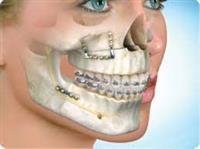
Reconstruction can involve dental implants or grafts (where skin, muscle, and bone are moved from another area, usually the chest, arm, or leg) to repair the missing bones and tissues in the mouth or face. Artificial palates are used to replace any missing tissue or teeth.
Rehabilitation is also necessary in advanced cancer cases. Speech therapy can be provided from the time you get out of surgery until you reach maximum level of improvement.
Outlook
Outlook and Follow-Up
After treatment, your doctor will want you to get frequent checkups to make sure that you are cancer-free. Your checkups will usually consist of physical exams, blood tests, X-rays, and/or CT scans. According to the Cleveland Clinic, the survival rate after one year for all stages of oral cancer is 81 percent. After five years, the survival rate is 56 percent. After 10 years, it is 41 percent (Cleveland).