The goal of surgery
During a pancreas transplant, a healthy pancreas, taken from a donor, is implanted inside the body of a person with severe diabetes.
Severe type 1 diabetes often leads to Kidney failure.
As a result, the person who needs a pancreas transplant also needs a kidney transplant. There are three types of pancreas transplant surgery:
Surgery combining kidney and pancreas transplantation, during which a kidney and pancreas transplantation are also performed.
Pancreas transplantation After kidney transplantation, the pancreas is transplanted after a certain period of kidney transplantation has passed.
Pancreas transplantation only, in this surgery only the pancreas is replaced. This surgery is performed for patients whose kidneys are functioning properly.
Who are the candidates for the pancreas transplant?
A team of specialists conducts an evaluation, and accordingly they decide if the patient is considered an appropriate candidate to perform the pancreas transplant.
The only patients whose candidacy is considered are people with severe diabetes, usually type 1, or active child / youth diabetes.
A patient who has been diagnosed as a suitable candidate for a pancreas transplant is placed on a waiting list. The specialist team takes into account many considerations when determining whether a particular person is suitable for being added to the waiting list.
The patient''s general health and fitness for major surgery are considered.
Pancreas transplant surgery is not performed for people with the following diseases
Untreated cancer.
Infectious diseases that are not fully treatable or curable, such as tuberculosis.
Severe heart problems or complications in the lungs or liver caused by diabetes that make surgery very dangerous.
The course of surgery
During pancreas transplant surgery, a donated pancreas is received, which is removed from the donor''s body through surgery and then transplanted into the body of the recipient patient, without removing the inactive pancreas.
Pancreas transplantation should be done in the patient''s body, within a few hours of the time it was removed from the donor''s body. Pan ctomy is performed by a group of surgeons and anesthetists. Sometimes, an additional team removes other organs, such as the kidneys.
Postoperative treatment
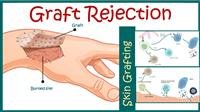
After pancreas transplant surgery, the person who underwent transplantation receives anti-rejection medications, to prevent a condition in which the new immune system rejects the new organ.
The patient who is considering pancreatic implant surgery must agree to take anti-rejection drugs (body rejects organ), for life.
In addition, the candidate for implantation is forced to agree to follow-up checks, after surgery by members of the medical staff, for the rest of his life.